
 Save
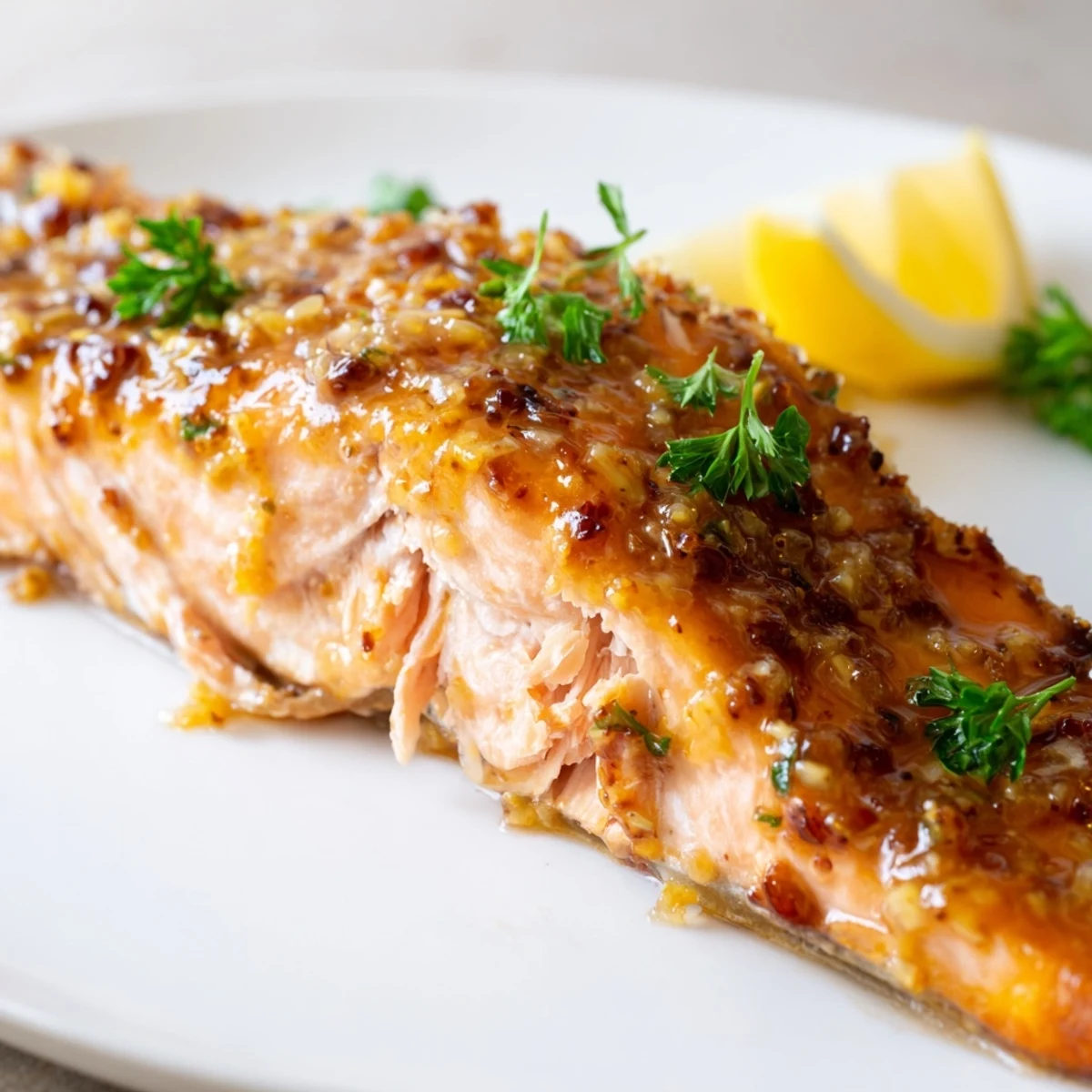
Save This baked honey mustard salmon brings together rich, flaky fillets with a luscious glaze made from Dijon mustard, honey, lemon juice, and garlic. Ready in just 25 minutes, it's an ideal weeknight main that feels elevated yet effortless.
The salmon is brushed generously with the honey mustard mixture and baked at 200°C until it flakes easily with a fork. A brief rest before serving locks in moisture. Garnish with fresh parsley and lemon wedges for a bright finishing touch.
The oven clicked on and the kitchen filled with that particular warmth that only happens on tired weeknights when you need dinner to take care of itself. I had bought four beautiful salmon fillets on impulse, the kind of grocery store purchase that feels ambitious until you realize you have exactly twenty minutes before everyone gets cranky. A jar of Dijon and a squeeze bottle of honey sat on the counter like they had been waiting for this moment. That night, baked honey mustard salmon was born in my kitchen, and it has never left the rotation since.
My youngest once watched me whisk the mustard and honey together and declared it looked like baby food, which I thought was outrageously unfair. Then she ate two fillets and asked for it again the following Tuesday. That is the honest power of this dish.
Ingredients
- 4 salmon fillets about 150 g each skin on or skinless: Skin on holds together beautifully during baking but skinless works fine if that is what you have.
- 3 tbsp Dijon mustard: The sharp bite of Dijon is essential here, do not swap for yellow mustard or you will lose the depth entirely.
- 2 tbsp honey: This balances the mustard and helps create that gorgeous caramelized top.
- 1 tbsp olive oil: Keeps the fish moist and helps the glaze spread evenly.
- 1 tbsp lemon juice freshly squeezed: Brightens everything and cuts through the richness of the salmon.
- 2 cloves garlic minced: Fresh garlic makes a difference here, the jarred version tastes flat against the honey.
- Half tsp salt: Just enough to pull all the flavors together.
- Quarter tsp fresh ground black pepper: A little warmth without overpowering the glaze.
- 1 tbsp fresh parsley chopped: Optional but it adds a pop of color and freshness right at the end.
- Lemon wedges: For serving, always for serving.
Instructions
- Get the oven ready:
- Preheat your oven to 200 degrees C (400 degrees F) and line a baking sheet with parchment paper. This is not the moment to skip the parchment unless you enjoy scrubbing baked honey off metal.
- Whisk the glaze together:
- In a small bowl, combine the Dijon mustard, honey, olive oil, lemon juice, minced garlic, salt, and pepper. Whisk until it looks smooth and glossy, and taste it because it should make you close your eyes for a second.
- Glaze the salmon:
- Place the fillets on your prepared baking sheet skin side down. Brush each one generously with the glaze, saving a little extra to dab on halfway through baking if you are feeling ambitious.
- Bake until just right:
- Slide the tray into the oven and bake for 12 to 15 minutes. You want the salmon to flake easily with a fork and be just opaque in the center, not dry and not raw, that perfect translucent middle.
- Rest and garnish:
- Pull them out and let the fillets rest for two minutes. Scatter fresh parsley over the top and serve with lemon wedges pressed generously over each piece.
 Save
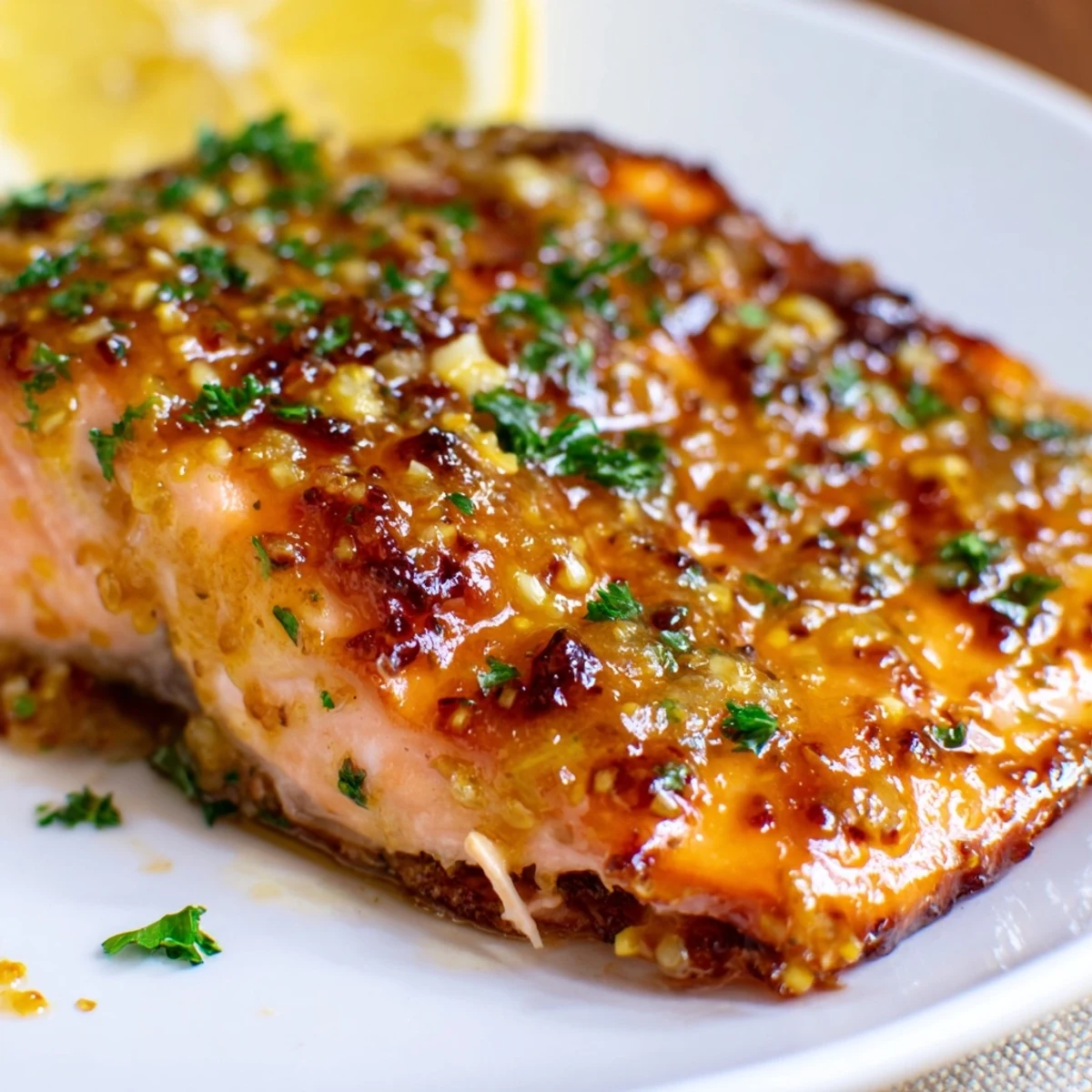
Save There was a evening when a friend stopped by unexpectedly and I had exactly these ingredients sitting on the counter. She stayed for dinner and now texts me every few weeks asking for the glaze ratios, which I take as the highest compliment.
What to Serve Alongside It
Steamed green beans or roasted asparagus are my go to because they cook in roughly the same time and you can throw them on a second tray. Rice soaks up the extra glaze beautifully, and a simple leafy salad with vinaigrette cuts the sweetness just enough. Honestly, crusty bread works too if you want to mop up every last bit.
Making It Your Own
Maple syrup swaps in for honey seamlessly and gives a slightly warmer, earthier sweetness. A pinch of cayenne in the glaze adds a slow heat that sneaks up on you in the best way. I have also stirred in a teaspoon of soy sauce when I wanted something a little more savory, and it was completely different and completely wonderful.
Kitchen Notes and Final Thoughts
After making this easily forty times, I have learned a few things worth passing along. The biggest one is that not all salmon fillets are created equal, so buy the best you can reasonably afford because you will taste the difference here where there are so few ingredients hiding anything.
- A basting brush is optional but your fingers work just fine for smearing on the glaze.
- Double check your Dijon label if you are cooking for someone with gluten sensitivity since some brands add wheat.
- Leftovers flake beautifully over a salad the next day so never throw them away.
 Save
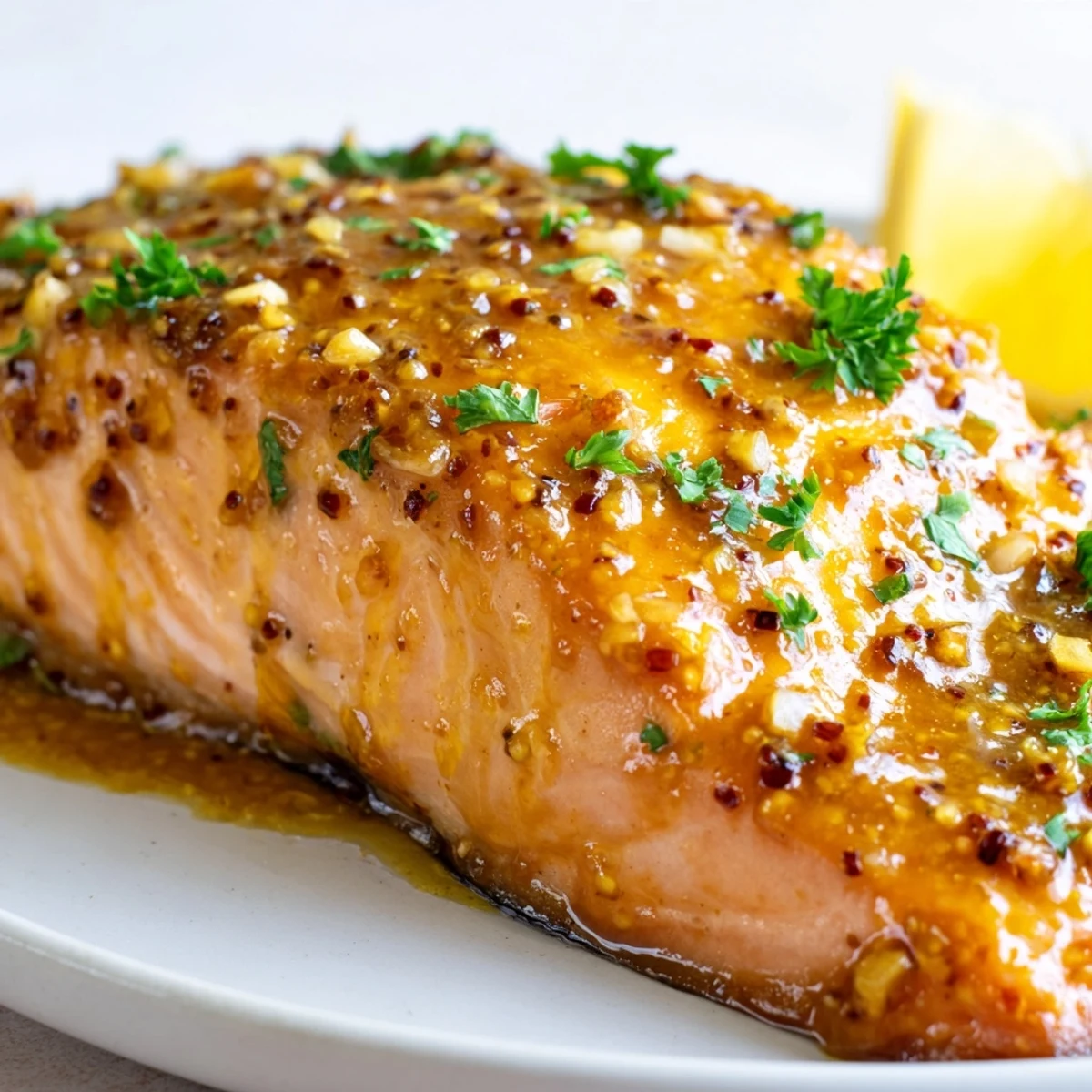
Save This is the kind of recipe that reminds you weeknight dinners do not have to be complicated to feel special. Keep honey and Dijon in your pantry and you are never more than twenty minutes away from something really good.
Recipe FAQs
- → What temperature should salmon be baked at?
-
Salmon bakes best at 200°C (400°F). At this temperature, a standard fillet cooks through in 12 to 15 minutes, developing a beautifully glazed exterior while remaining tender and moist inside.
- → How can I tell when the salmon is done?
-
The salmon is ready when it flakes easily when gently pressed with a fork and appears just opaque in the center. An internal temperature of 63°C (145°F) indicates it is fully cooked.
- → Can I marinate the salmon before baking?
-
Yes, marinating the fillets in the honey mustard glaze for up to 20 minutes before baking enhances the flavor. Avoid marinating longer than 30 minutes, as the acid from the lemon juice can begin to break down the fish.
- → What sides go well with honey mustard salmon?
-
This salmon pairs wonderfully with steamed vegetables such as broccoli or asparagus, fluffy white or brown rice, roasted potatoes, or a crisp leafy green salad. The honey mustard glaze complements both light and hearty accompaniments.
- → Can I use frozen salmon fillets?
-
Frozen salmon works fine as long as it is fully thawed before baking. Thaw overnight in the refrigerator or under cold running water. Pat the fillets dry before applying the glaze so it adheres properly.
- → Is there a substitute for honey in the glaze?
-
Maple syrup is an excellent substitute for honey and provides a similarly rich sweetness with a slightly different flavor profile. Agave nectar can also be used for a milder, more neutral sweetness.