
 Save
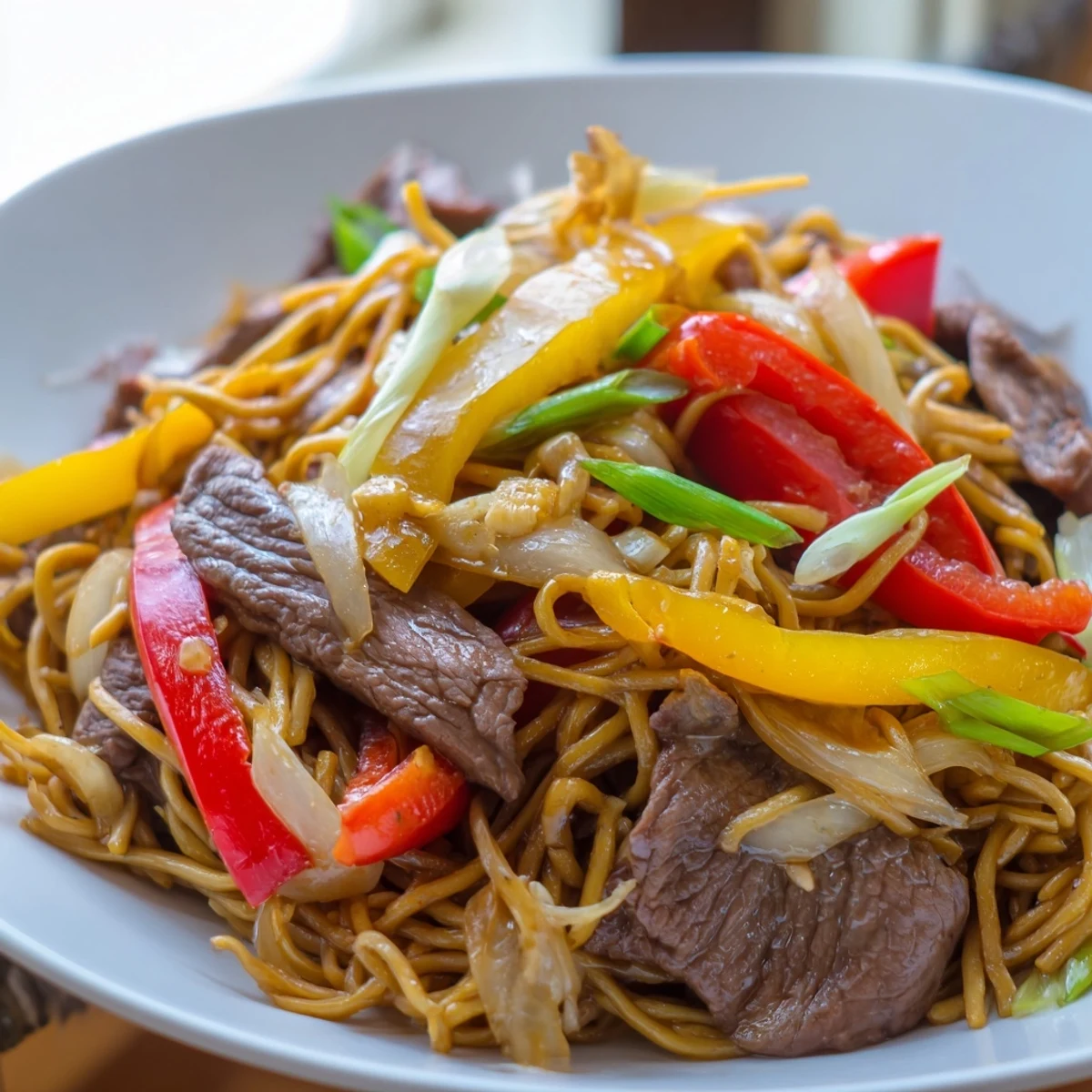
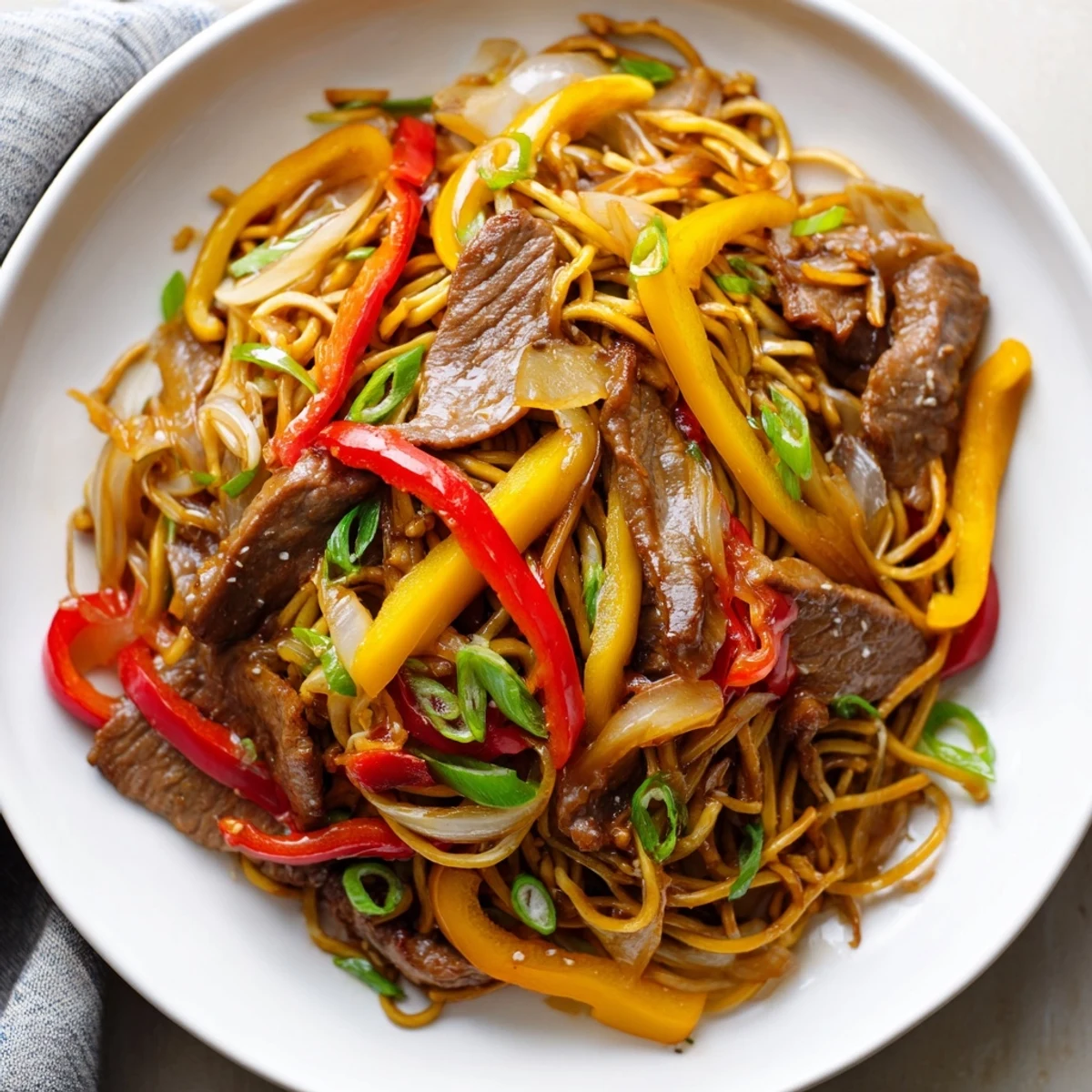
Save This vibrant Chinese-inspired dish brings together tender strips of beef sirloin with crisp bell peppers and sweet onions, all tossed through springy chow mein noodles in a rich, savory sauce. The balance of textures—from the slightly charred beef to the crunchy vegetables—creates a satisfying bowl that comes together in just over half an hour.
The sauce combines soy, oyster, and hoisin for depth, while sesame oil adds nutty aroma. High-heat stir-frying ensures everything retains its freshness and gets those coveted smoky edges. Perfect for feeding a family or meal prepping for the week ahead.
The sizzle of beef hitting a smoking wok is one of those sounds that instantly transports me to Saturday evenings in my tiny apartment kitchen, windows fogged up, chopsticks in hand. Beef chow mein with peppers and onions became my go-to when takeout cravings hit but my wallet disagreed. Something about the way those noodles soak up every drop of soy and oyster sauce makes it impossible to stop eating. This dish convinced me that stir frying at home could rival any restaurant.
My roommate once walked in while I was tossing the noodles and declared it smelled better than the place down the street we spent too much money at. We ate standing over the wok with forks because the dishes were still dirty from breakfast.
Ingredients
- Beef sirloin (350 g): Thinly slice against the grain so every bite is tender and easy to chew.
- Bell peppers, red and yellow (2): The two colors are not just for looks, they each bring a slightly different sweetness.
- Large onion (1): Thin slices soften quickly and blend into the sauce beautifully.
- Spring onions (2): Save these for the end so they stay bright and fresh on top.
- Garlic cloves (2): Minced fine so the flavor distributes evenly through the noodles.
- Ginger (1 thumb sized piece): Julienned ginger adds little pops of warmth without overpowering anything.
- Chow mein noodles (300 g): Egg noodles work as a solid substitute if you cannot find traditional chow mein noodles.
- Soy sauce (3 tbsp): This is the backbone of the entire sauce so use one you genuinely like.
- Oyster sauce (1 tbsp): Adds a depth and richness that nothing else can quite replicate.
- Hoisin sauce (1 tbsp): A touch of sweetness and complexity that rounds out the savory notes.
- Sesame oil (1 tbsp): This finishes the sauce with a nutty aroma that makes everything taste complete.
- Cornstarch (1 tsp): Thickens the sauce just enough so it coats instead of pooling at the bottom.
- Water (1 tbsp): Helps the cornstarch dissolve smoothly before it hits the heat.
- Black pepper (1/2 tsp): Freshly cracked makes a noticeable difference here.
- Sugar (1/2 tsp): Just enough to balance the salty and savory without making it sweet.
- Vegetable oil (2 tbsp): Use an oil with a high smoke point since the wok gets very hot.
Instructions
- Mix the sauce:
- Whisk together the soy sauce, oyster sauce, hoisin sauce, sesame oil, black pepper, sugar, cornstarch, and water in a small bowl until the cornstarch disappears completely. Give it one more stir right before you need it because the starch settles fast.
- Cook the noodles:
- Follow the package directions, drain them, then rinse under cold water to stop the cooking and keep them from turning gummy. Toss them with a tiny drop of sesame oil if they start sticking together.
- Sear the beef:
- Heat one tablespoon of vegetable oil in your wok over the highest heat your stove allows and spread the beef in a single layer. Let it sit without stirring for about thirty seconds so it actually browns, then toss for another minute and a half before removing it to a plate.
- Build the aromatics:
- Pour the remaining oil into the wok and add the garlic, ginger, and onion all at once, stirring constantly so the garlic colors but never burns. Your kitchen should smell incredible within about sixty seconds.
- Add the peppers:
- Toss in the bell pepper slices and stir fry for two to three minutes, just until they soften at the edges but still have a slight crunch in the center.
- Bring it all together:
- Return the beef to the wok, add the noodles and sauce, and toss everything vigorously for two to three minutes until every strand is glossy and coated. Taste a noodle and adjust with a splash more soy sauce if it needs it.
- Finish and serve:
- Scatter the spring onions over the top and serve straight from the wok while it is still piping hot and steaming.
 Save
Save The first time I made this for my family, my father went back for thirds and then asked if there was more hiding somewhere. That was the moment this dish stopped being just a weeknight dinner and started being the thing I cook when I want people to feel taken care of.
The Wok Makes a Difference
A well seasoned carbon steel wok develops a natural patina that adds flavor you simply cannot replicate with a regular pan. If you do not own one, a large flat skillet works, but give it time to get screaming hot before the oil goes in. The biggest mistake home cooks make is not letting the pan get hot enough, which leads to soggy vegetables and grey beef.
Prep Is Everything in Stir Frying
Mise en place is not just a fancy French term here, it is the difference between a relaxed cooking experience and total chaos. Slice everything before you start, arrange the aromatics together, have the sauce mixed and sitting right next to the stove. Once the flame is on you will not have thirty seconds to mince more ginger.
Making It Your Own
Part of the joy of chow mein is how forgiving and adaptable it is once you understand the base technique.
- Swap the beef for thinly sliced chicken thigh, pressed tofu, or large shrimp and adjust the cooking time accordingly.
- Toss in snow peas, shredded carrots, or bean sprouts during the pepper stage for extra color and crunch.
- Marinate the beef in a tablespoon of soy sauce and a teaspoon of cornstarch for ten minutes if you want it extra silky and tender.
 Save
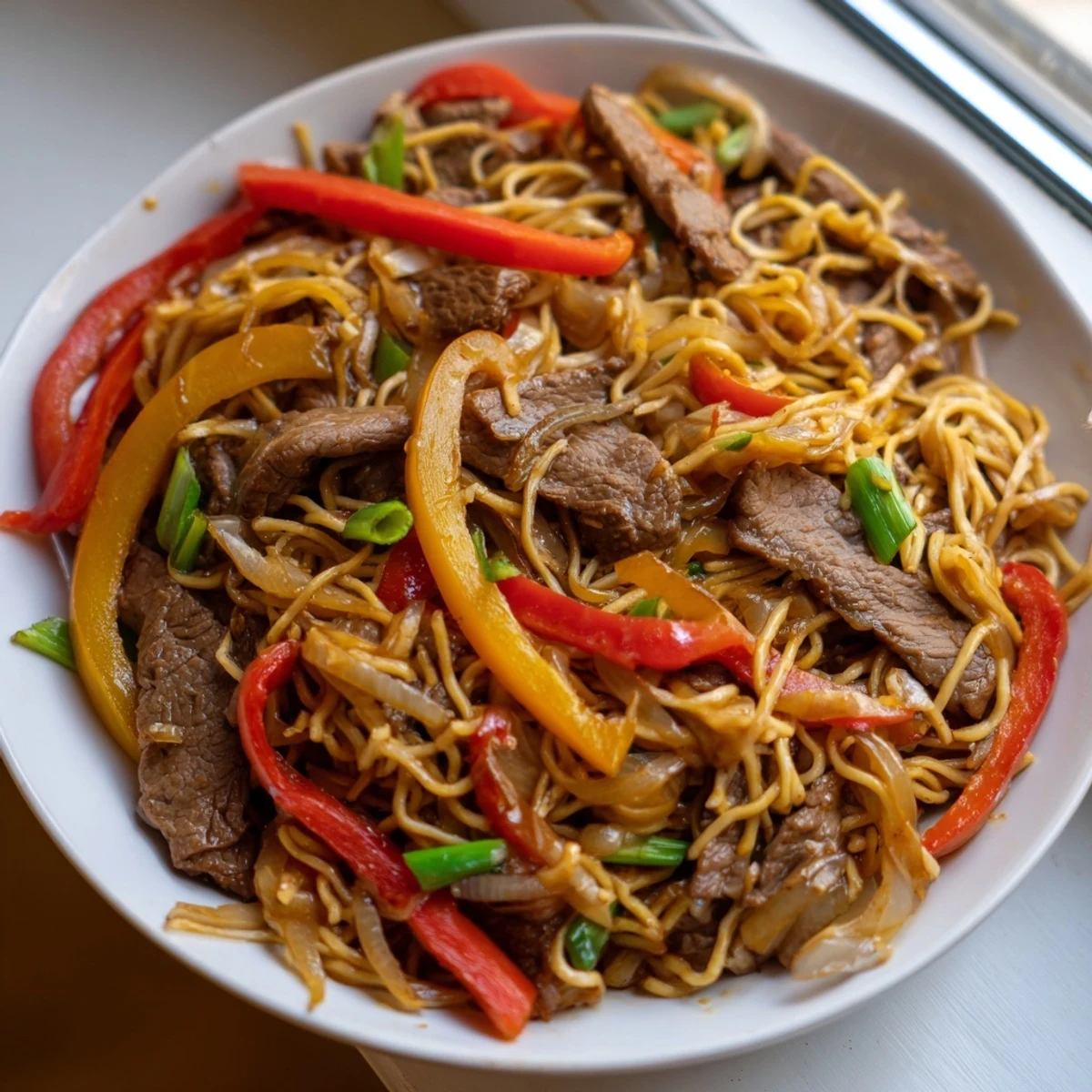
Save Keep a pair of long tongs handy and trust your instincts over the timer because your eyes and nose know when things are ready. This dish is best shared immediately, steaming and slippery, with whoever happens to be standing closest to the kitchen.
Recipe FAQs
- → Can I use other types of noodles?
-
Yes, you can substitute chow mein noodles with egg noodles, udon, or even spaghetti in a pinch. Just cook them al dente since they'll finish cooking in the wok.
- → How do I prevent the beef from getting tough?
-
Slice the beef thinly against the grain and stir-fry quickly over high heat. Don't overcook it—just 2 minutes until browned, then remove before adding back at the end.
- → Can I make this dish ahead?
-
Yes, prepare all ingredients and sauce in advance. Cook everything fresh when ready to serve for best texture, though leftovers reheat well in a hot pan.
- → What vegetables work best in this dish?
-
Bell peppers and onions are traditional, but you can add bean sprouts, snow peas, carrots, or bok choy. Just adjust cooking times so everything stays crisp-tender.
- → Is the sauce spicy?
-
The traditional sauce isn't spicy, but you can add fresh chili slices, chili oil, or sriracha if you prefer some heat. Adjust to your taste.
- → Can I use a different protein?
-
Absolutely. Chicken, shrimp, pork, or tofu all work beautifully with these flavors. Adjust cooking time accordingly—shrimp cooks faster, while tofu needs less time than beef.