
 Save
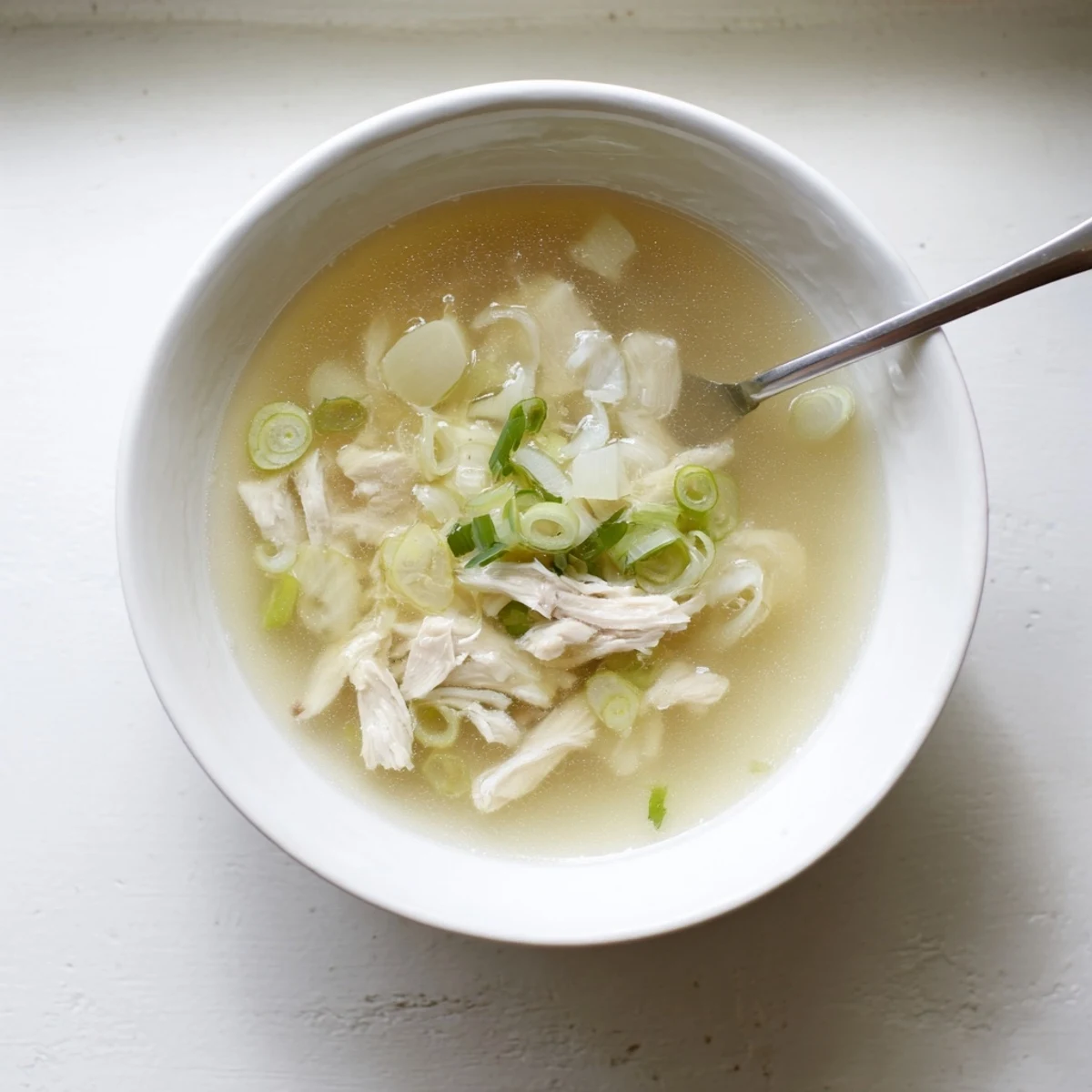
Save Dakgomtang is a comforting Korean soup featuring tender whole chicken simmered with aromatic vegetables like onion, garlic, ginger, and green onions. The clear, nourishing broth develops over an hour of gentle simmering, creating a delicate flavor profile that's both soothing and satisfying. Serve with a simple dipping sauce of soy sauce, rice vinegar, and sesame oil to complement the mild soup. Perfect with steamed rice for a complete meal, this gluten-free and dairy-free dish delivers warmth and comfort in every bowl.
The steam curling up from my grandmother's kitchen always carried this unmistakable aroma of gently simmering chicken and garlic. She'd remind me that good broth doesn't rush, patience being the secret ingredient that most recipes forget to mention. This Dakgomtang became my go-to comfort during cold Seoul winters, each spoonful feeling like a warm embrace.
Last winter my roommate came down with a terrible flu and nothing seemed to help. I spent a quiet Sunday afternoon making this soup, the whole apartment filling with that healing smell of chicken and ginger. She kept saying it was the only thing that made her feel like herself again.
Ingredients
- 1 whole chicken (about 3–3.5 lbs): This creates the foundation of your broth, so choose a quality bird from a trusted butcher
- 1 medium onion and 10 cloves garlic: These aromatics are non negotiable for that authentic Korean depth
- 6 green onions: Two go into the broth for subtle sweetness, the rest create a fresh garnish that brightens each bowl
- 1-inch piece of ginger: Adds warmth and helps cut through the richness
- Sea salt and black pepper: Season gradually and trust your palate throughout the process
- Soy sauce, rice vinegar, and sesame oil: This trio creates an addictive dipping sauce that everyone asks for
Instructions
- Prepare the broth base:
- Rinse your chicken thoroughly under cold running water, letting it drain completely before placing it in your largest stockpot. Cover everything with 12 cups of cold water, the cold start being crucial for drawing out flavor gradually rather than sealing it in.
- Add aromatics and bring to boil:
- Toss in the onion halves, all those garlic cloves, ginger slices, and the two whole green onions. Turn the heat to medium high and watch carefully, skimming off any foam that rises to the surface, this creates a cleaner tasting soup.
- Simmer slowly:
- Reduce your heat to low, partially cover with a lid, and let everything gently bubble away for about an hour. Resist the urge to rush this part, the long simmer is what transforms water into something that tastes like it cooked all day.
- Strain and shred:
- Carefully lift the chicken out and set it on a plate to cool, then pour the broth through a fine mesh sieve into a clean pot. Discard all the boiled vegetables, they've given everything they have to offer.
- Finish and season:
- Shred the cooled chicken into bite sized pieces, discarding the skin and bones as you go. Return the meat to the clear broth and season with about a teaspoon of salt and pepper, letting it simmer together for another 10 minutes.
- Make the dipping sauce:
- Whisk together the soy sauce, rice vinegar, sesame oil, sesame seeds, sliced green onion, and those optional chili flakes in a small bowl. This should be tangy, nutty, and slightly salty.
- Serve immediately:
- Ladle the hot soup into bowls, scatter fresh green onion slices across the top, and pass that dipping sauce alongside. Let everyone customize their own bowl with as much or as little sauce as they like.
 Save
Save My friend Minji once told me that in Korea, chicken soup isn't just food, it's medicine. After I made this for my family during a particularly rough cold season, I finally understood what she meant.
The Art of Patience
Good broth rewards those who wait. The difference between a soup that's merely good and one that's unforgettable often comes down to those extra 20 minutes of gentle simmering time. The collagen from the chicken bones needs time to break down, creating that rich mouthfeel that coats your spoon.
Broth Troubleshooting
If your broth tastes thin, don't rush to add more salt first. Sometimes it needs more time to reduce, concentrating the natural flavors. A splash of rice vinegar at the end can also brighten flat tasting soup without making it overtly acidic.
Customizing Your Bowl
While traditional Dakgomtang is beautifully simple, there's room for personal touches. Glass noodles added during the final 10 minutes make it more substantial, especially for hungry teenagers. Thinly sliced mushrooms cook almost instantly and add an earthy note that complements the chicken.
- Add cooked rice directly to the bowl for a heartier meal
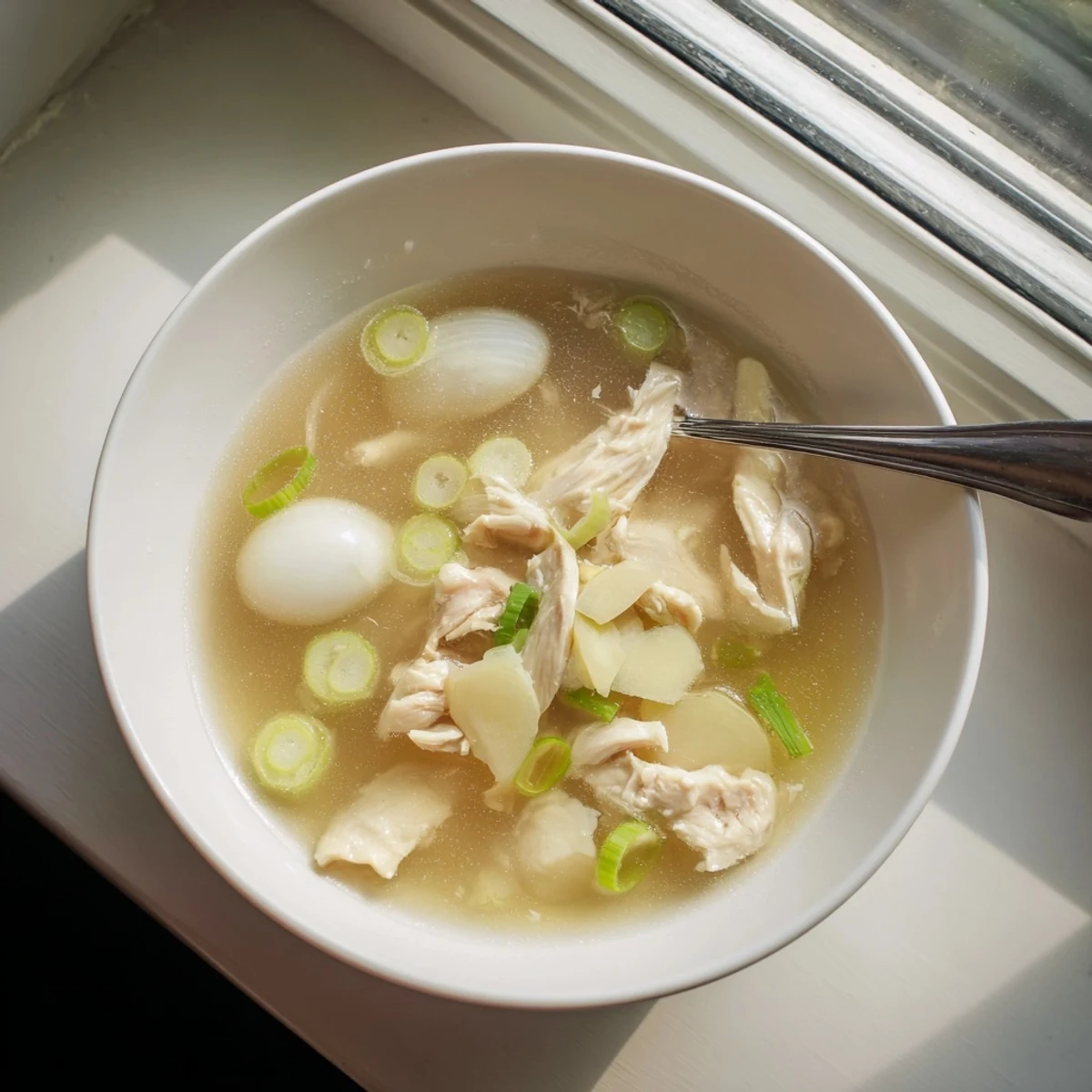
- A soft boiled egg perched on top adds protein and richness
- Extra chili flakes in the dipping sauce wake up tired palates
 Save
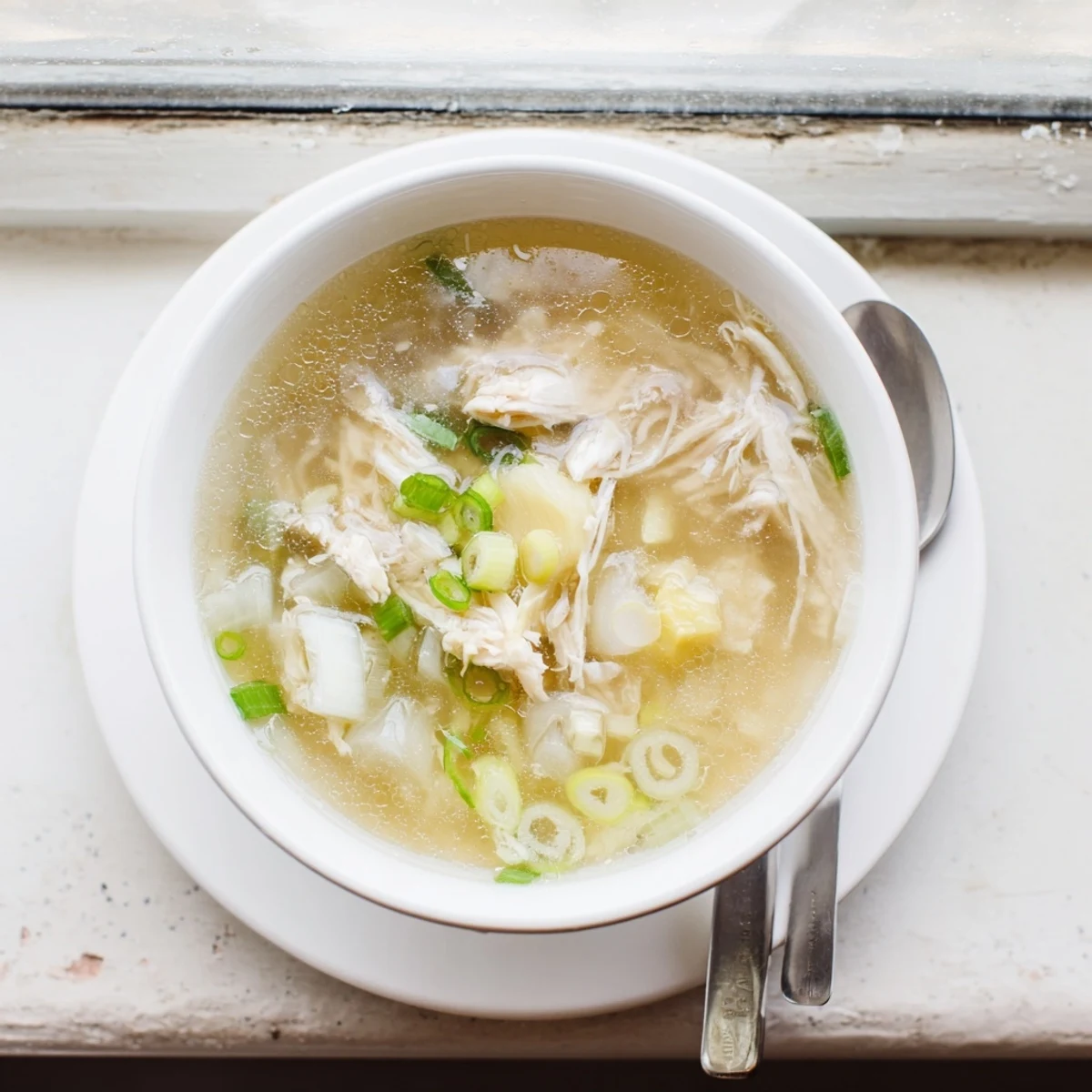
Save There's something profoundly grounding about making soup from scratch. Maybe it's the slow transformation, or how a few simple ingredients can comfort so completely.
Recipe FAQs
- → What is dakgomtang?
-
Dakgomtang is a traditional Korean soup made by simmering whole chicken with aromatics like garlic, onion, ginger, and green onions until the broth becomes clear and flavorful. The meat is then shredded and returned to the broth for a comforting, nourishing meal.
- → How long does it take to make?
-
The total time is approximately 1 hour 35 minutes, including 15 minutes of preparation and 1 hour 20 minutes of cooking time. The chicken simmers for about an hour to develop a rich, clear broth.
- → Can I make the broth richer?
-
Yes, for a deeper flavor, you can simmer the chicken up to 2 hours instead of 1 hour. The longer cooking time extracts more collagen from the bones, creating a more flavorful and slightly thicker broth.
- → What should I serve with dakgomtang?
-
Steamed white rice is the traditional accompaniment. You can also add glass noodles or mushrooms for variation. The soup is always served with a dipping sauce made of soy sauce, rice vinegar, sesame oil, and sesame seeds.
- → Is dakgomtang gluten-free?
-
The soup itself is naturally gluten-free and dairy-free. However, the dipping sauce contains soy sauce, so use gluten-free soy sauce to accommodate gluten sensitivities. Always check product labels for allergens.
- → Can I substitute the daikon radish?
-
Daikon radish is optional and can be substituted with regular radish or omitted entirely if unavailable. The soup will still be delicious without it, as the primary flavors come from the chicken and aromatics.