
 Save
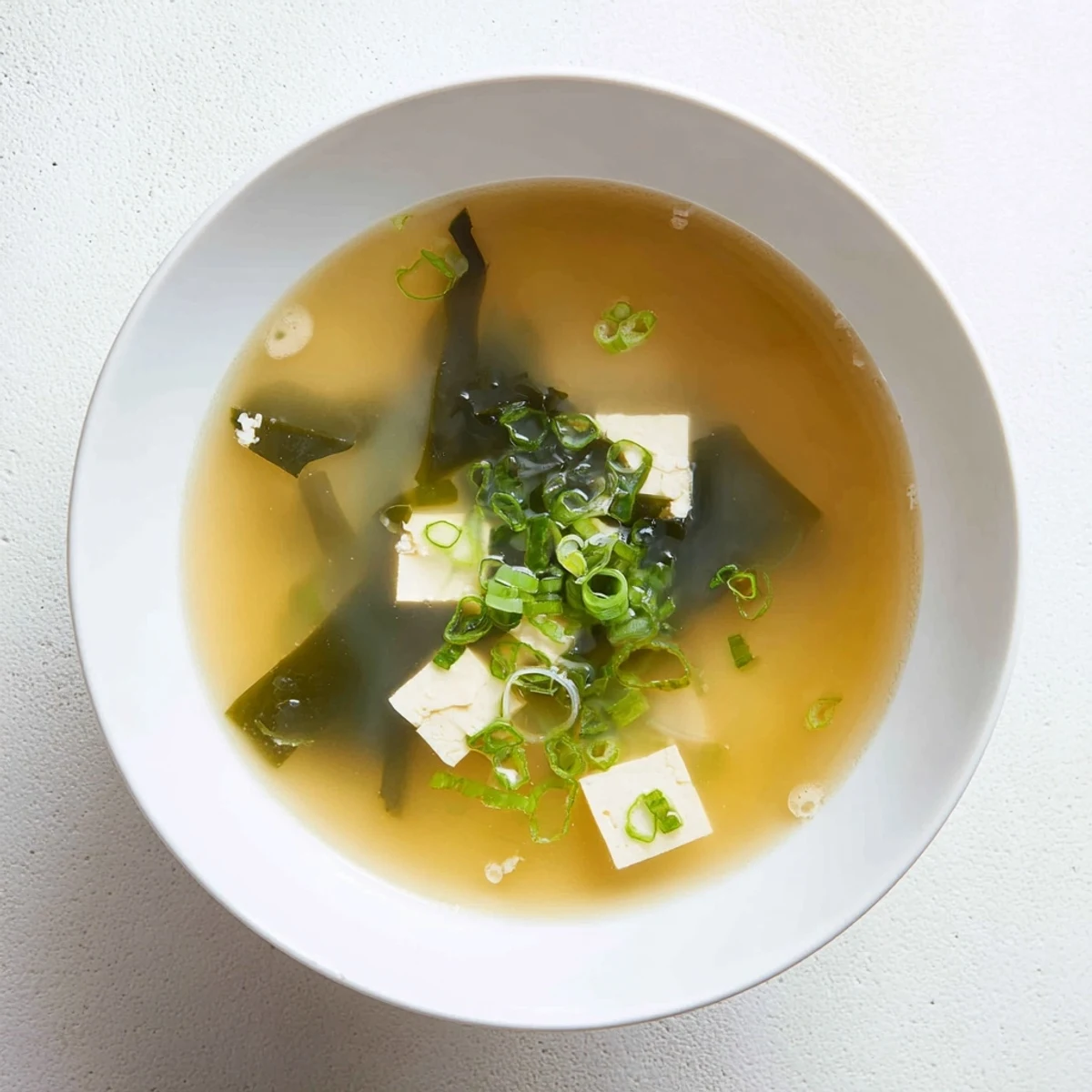
Save This traditional Japanese soup combines the umami richness of white miso paste with silken tofu and rehydrated wakame seaweed. The key to a perfect bowl lies in gently dissolving the miso into warm dashi stock without boiling, which preserves both the delicate flavor and beneficial enzymes. Ready in just 15 minutes, this light yet satisfying soup features a cloudy golden broth dotted with tender tofu cubes and vibrant green onion garnish.
The first time I attempted miso soup in my tiny studio apartment, I treated it like boxed mac and cheese and boiled the miso paste directly into the broth. My Japanese neighbor caught a whiff through the open hallway and gently knocked on my door, explaining that miso's delicate, fermented soul needs warmth, not violence. That afternoon changed everything about how I approach simple soup making.
Last winter, my friend Mei came over feeling under the weather, and I made this for her instead of my usual chicken noodle soup. She sat curled up on my couch with both hands wrapped around the bowl, inhaling the steam, and told me it tasted exactly like what her grandmother used to make whenever anyone in their family needed comfort. Now it's become my go to soup for sick days, bad days, and days when I just need something that feels like home.
Ingredients
- Dashi stock: The backbone of Japanese cooking, dashi brings that subtle oceanic depth that makes miso soup sing. Instant dashi granules work beautifully in a pinch, but homemade kombu dashi will make your kitchen smell like a traditional Japanese kitchen.
- White miso paste: Shiro miso is fermented for a shorter time, giving it a sweeter, milder flavor that's perfect for everyday soup making. Avoid boiling it or you'll kill those beneficial probiotics and lose the nuanced fermented notes.
- Silken tofu: This delicate tofu absorbs the miso flavors while maintaining its silky, custard like texture. Cut it gently so it doesn't crumble into the broth.
- Dried wakame seaweed: These tiny flakes expand dramatically when hydrated, adding both nutrients and that classic ocean essence. A little goes a long way.
- Green onions: Fresh scallions add a bright, sharp contrast to the earthy miso broth. Slice them just before serving for maximum pop.
Instructions
- Warm the dashi gently:
- Bring your dashi stock to a gentle simmer over medium heat, watching for tiny bubbles to form around the edges. Avoid a rolling boil, which can make the broth taste flat.
- Dissolve the miso properly:
- Scoop the miso paste into a small bowl and ladle in about half a cup of the hot dashi, whisking until completely smooth and no lumps remain. Return this mixture to the saucepan and stir gently to incorporate.
- Add your additions:
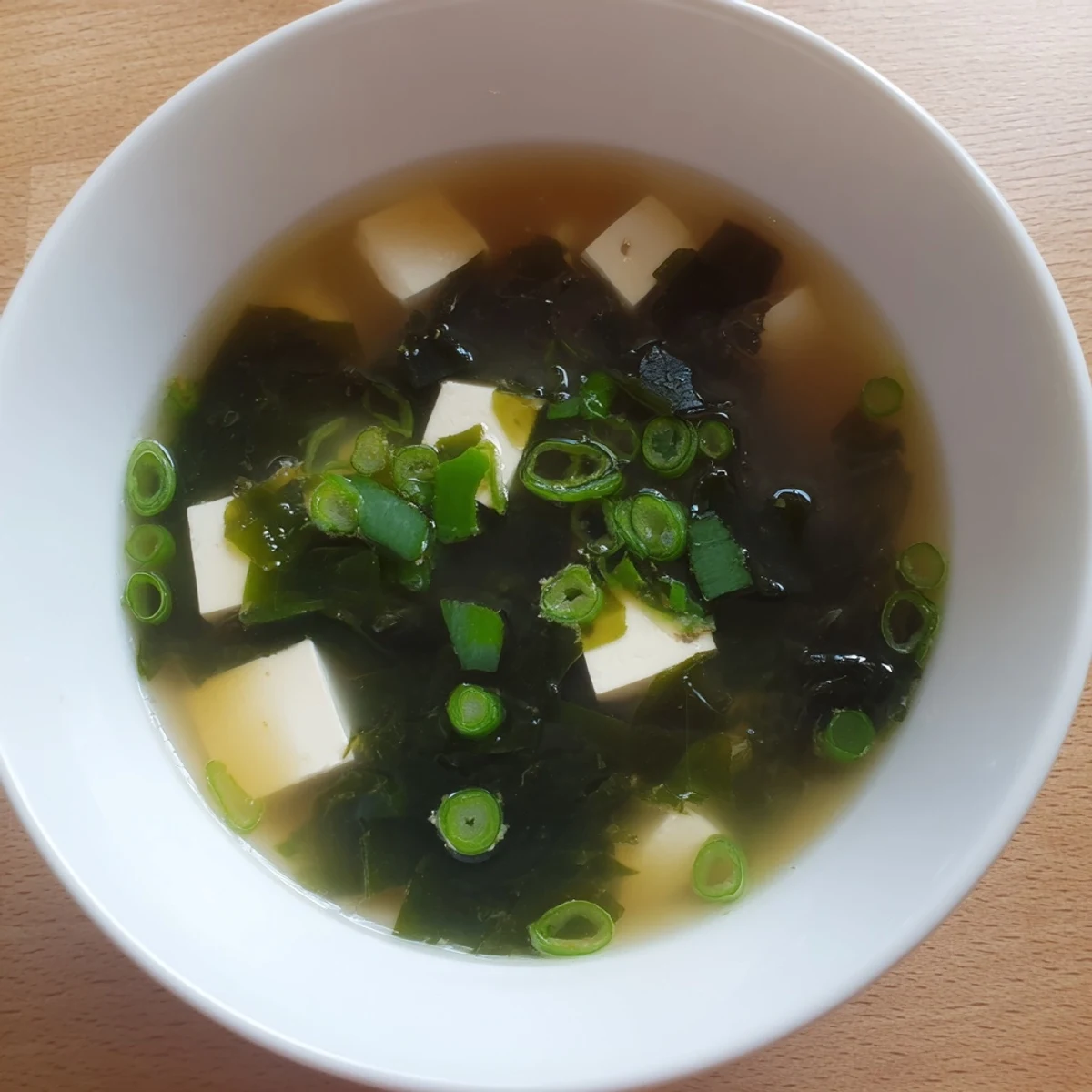
- Gently slide in the tofu cubes and sprinkle the dried wakame across the surface. Let everything simmer for just 2 to 3 minutes until the seaweed has plumped up and the tofu is warmed through.
- Finish and serve immediately:
- Pull the pot off the heat, ladle the soup into bowls, and scatter the green onion slices on top. The miso's aroma is at its peak right after cooking, so serve it while it's still fragrant.
 Save
Save After years of making this soup, I've realized that miso soup is never really about the soup itself, but about the moment of pause it creates in a busy day. The ritual of standing over the pot, inhaling that first fragrant whiff of miso, has become a tiny meditation I return to again and again.
Finding Your Perfect Miso
White miso is my everyday workhorse, but don't be afraid to experiment with red miso for a deeper, more intense flavor profile, or awase miso which is a pre mixed blend of both. Keep your miso paste refrigerated and use it within a few months of opening for the brightest flavor.
Building a Better Bowl
While the classic version is perfection itself, miso soup welcomes all kinds of additions. Thinly sliced mushrooms, baby spinach, or cubes of cooked sweet potato all make excellent additions that transform this simple soup into a more substantial meal.
Miso Soup Mistakes I've Made So You Don't Have To
I once accidentally used red miso paste when a recipe called for white, and ended up with a soup so dark and intensely savory it tasted like beef stew. Consider adding a tiny piece of dried kombu to your dashi for even more depth. Leftover miso soup keeps for about two days in the refrigerator, though the tofu will continue to absorb flavors and become even more savory.
- Never store your miso paste at room temperature, as it will continue fermenting and eventually spoil
- If your soup tastes too salty, add more water or a splash of mirin to balance it out
- Reheat leftover soup gently over low heat, never in the microwave which can create hot spots that ruin the texture
 Save
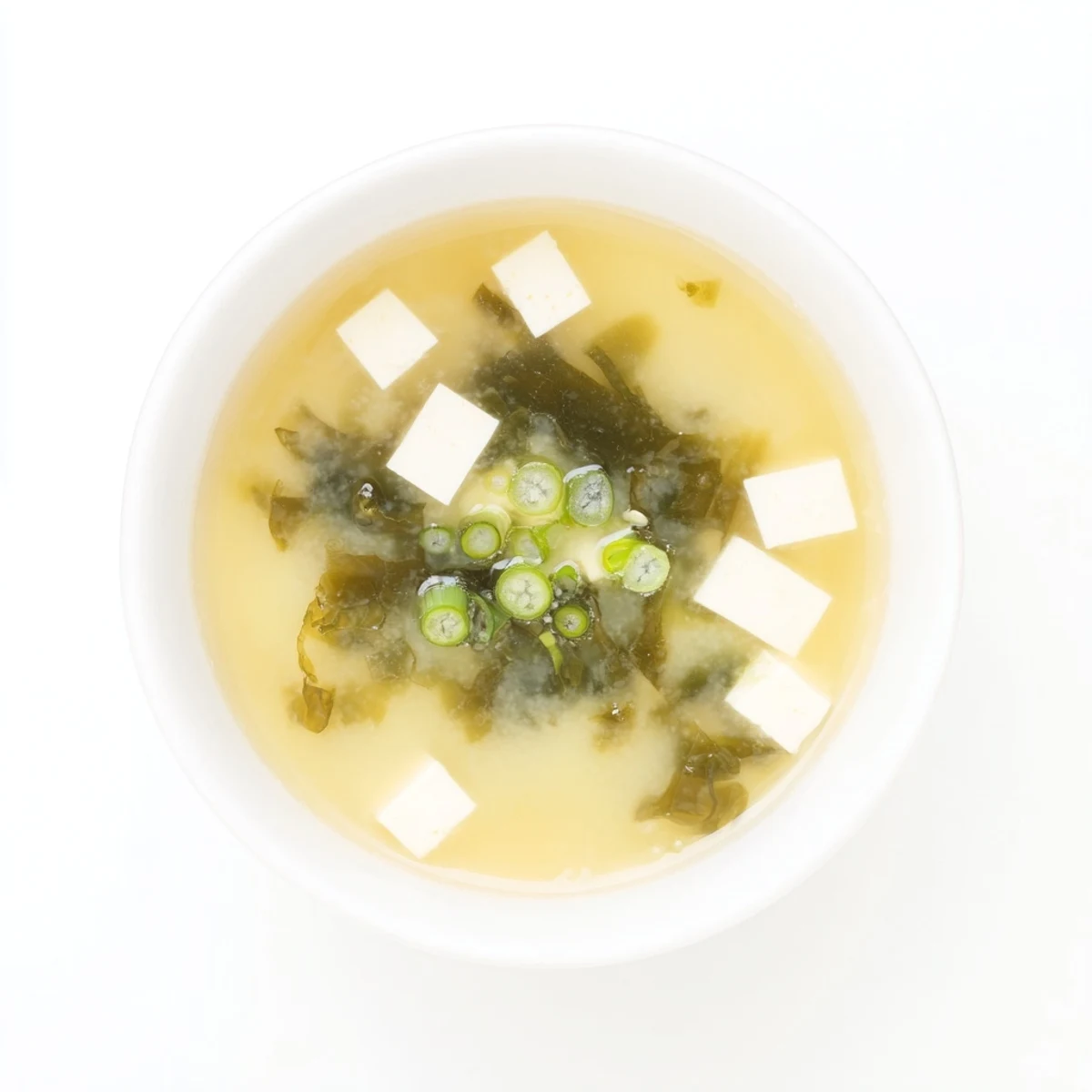
Save There's something profoundly healing about a bowl of miso soup, and once you master this simple version, you'll find yourself returning to it again and again, making it your own with each batch.
Recipe FAQs
- → What type of miso works best?
-
White miso paste (shiro miso) offers a milder, sweeter flavor ideal for beginners. For deeper complexity, blend white and red miso varieties together.
- → Can I make this vegetarian?
-
Absolutely. Use kombu-based dashi stock instead of traditional bonito flakes to create a completely vegetarian version without sacrificing flavor.
- → Why shouldn't I boil the miso?
-
Boiling destroys the beneficial enzymes and probiotics in miso while creating a grainy texture. Always dissolve miso in warm liquid below simmering temperature.
- → How long does leftover soup keep?
-
Store refrigerated in an airtight container for up to 2 days. Reheat gently without boiling, as high heat compromises both texture and nutritional benefits.
- → What vegetables can I add?
-
Sliced shiitake mushrooms, baby spinach, thinly sliced carrots, or daikon radish make excellent additions. Add hearty vegetables early, delicate greens just before serving.