
 Save
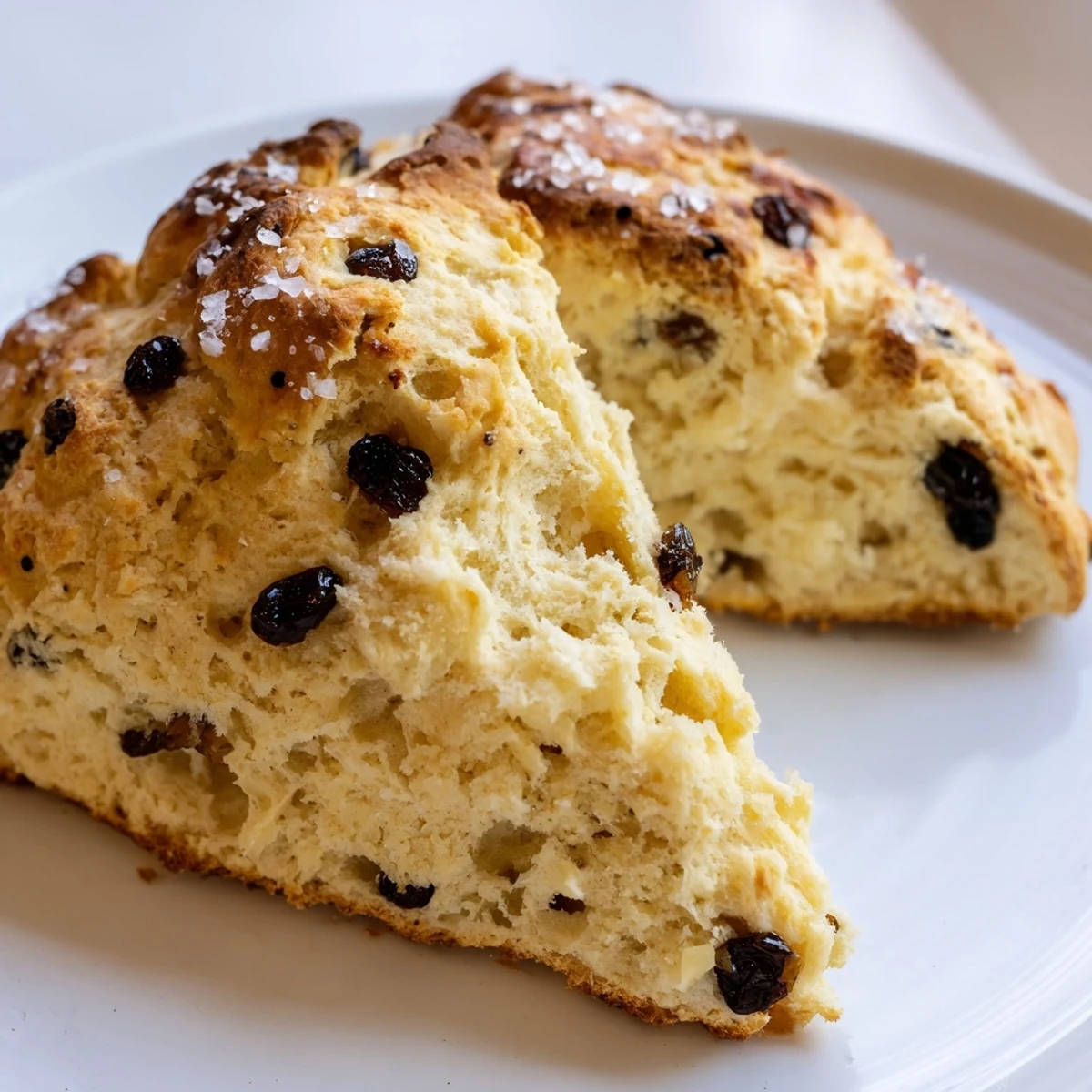
Save These Irish soda bread scones offer a tender, lightly sweet texture with bursts of dried currants throughout. Made from a blend of all-purpose and whole wheat flours, they use baking soda and powder for a gentle rise. Cold butter is cut into the flour for a crumbly feel, while buttermilk and egg add moisture and richness. Quick to prepare, these scones bake to a golden brown perfect for breakfast or afternoon tea. Optional demerara sugar topping adds a subtle crunch. Serve warm or at room temperature.
My grandmother never measured anything when she made soda bread, but she did have one unbreakable rule about temperature. Everything had to be cold, especially the butter and buttermilk. I learned this the hard way one summer afternoon when I tried to make her recipe with room temperature ingredients and ended up with flat, tough biscuits instead of the tender pillows she produced so effortlessly.
Last winter, during that week where it snowed for three days straight, my neighbor Sarah knocked on my door with a container of homemade jam and nowhere to go. I whipped these up while we watched the snow pile up outside my kitchen window. The way the currants plump up in the oven, releasing little pockets of sweetness throughout each bite, made us forget we were essentially snowed in.
Ingredients
- 2 cups (250 g) all-purpose flour: The foundation that gives these scones their classic tender crumb and reliable structure
- 1/2 cup (60 g) whole wheat flour: Adds subtle depth and earthiness without making the scones feel like health food
- 1/4 cup (50 g) granulated sugar: Just enough sweetness to complement the currants without crossing into dessert territory
- 1 teaspoon baking soda: The traditional leavening agent that gives Irish soda bread its characteristic rise and slight tang
- 1 teaspoon baking powder: Extra insurance for tall, fluffy scones that dont spread too much in the oven
- 1/2 teaspoon fine sea salt: Balances the sweetness and highlights the buttery notes
- 3/4 cup (100 g) dried currants: Tiny but mighty, they distribute sweetness evenly throughout every bite
- 1 cup (240 ml) buttermilk, cold: Creates tenderness and reacts with the baking soda for that signature soda bread rise
- 1 large egg: Provides richness and helps bind the dough together
- 4 tablespoons (55 g) unsalted butter, cold: Creates flaky layers and that buttery flavor that makes bakery pastries so irresistible
Instructions
- Get your oven ready:
- Preheat oven to 400°F (200°C) and line a baking sheet with parchment paper so nothing sticks and cleanup is effortless
- Whisk the dry ingredients:
- In a large bowl, combine all-purpose flour, whole wheat flour, sugar, baking soda, baking powder, and salt until everything is evenly distributed
- Cut in the cold butter:
- Work those cold butter cubes into the flour mixture with a pastry cutter or your fingertips until it looks like coarse crumbs with some pea-sized pieces remaining
- Add the currants:
- Toss in the dried currants and give everything a quick stir so theyre coated in flour and ready to distribute throughout the dough
- Make the well:
- Whisk together your cold buttermilk and egg in a separate bowl, then pour this mixture over the dry ingredients all at once
- Gentle folding:
- Use a fork to stir gently until just combined, stopping as soon as you no longer see dry flour streaks
- Shape the scones:
- Turn the dough onto a lightly floured surface, pat it into a 1-inch thick circle, and cut into 8 wedges like a pizza
- Add sparkle:
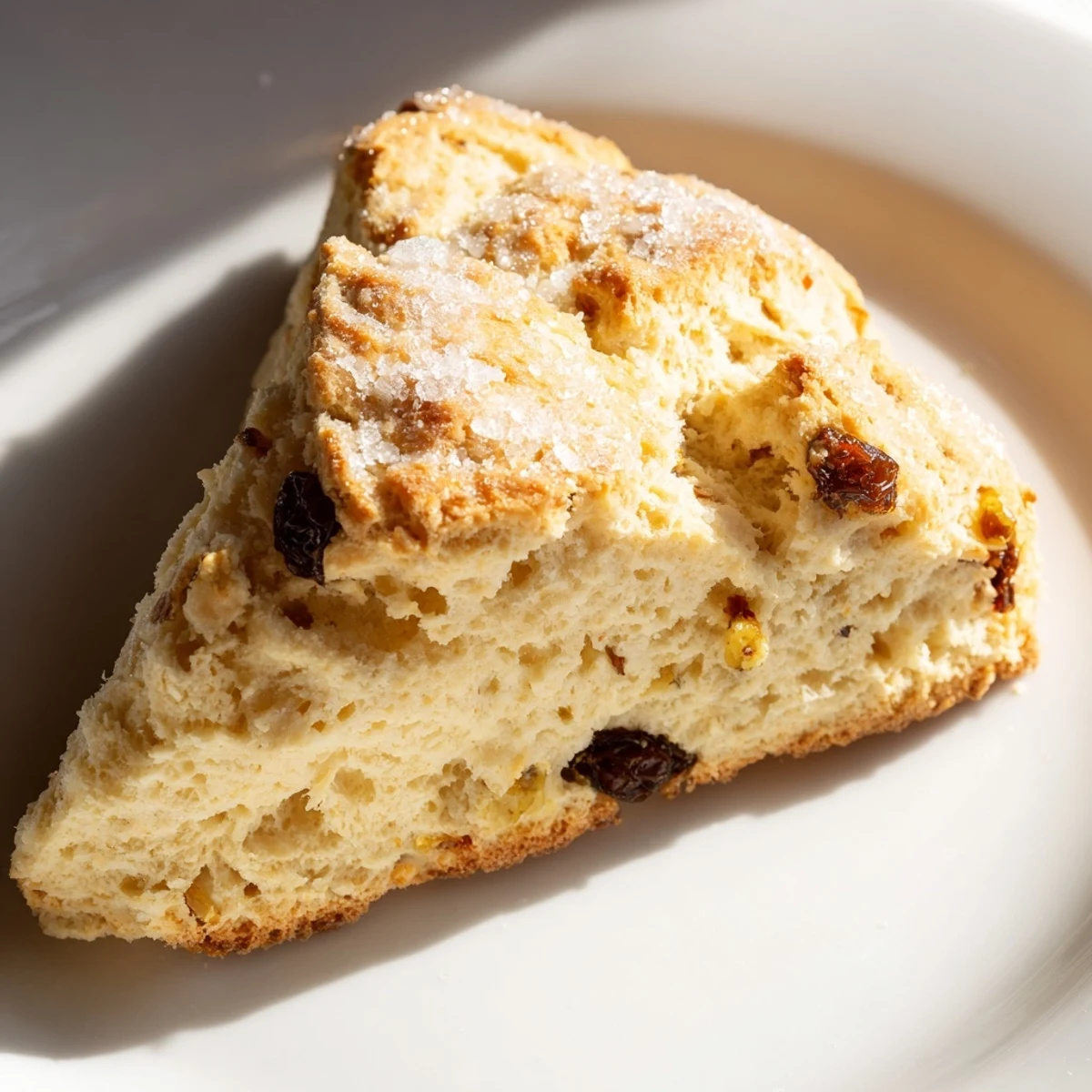
- Arrange wedges on your prepared baking sheet and optionally sprinkle tops with demerara sugar for that irresistible crunchy top
- Bake to golden:
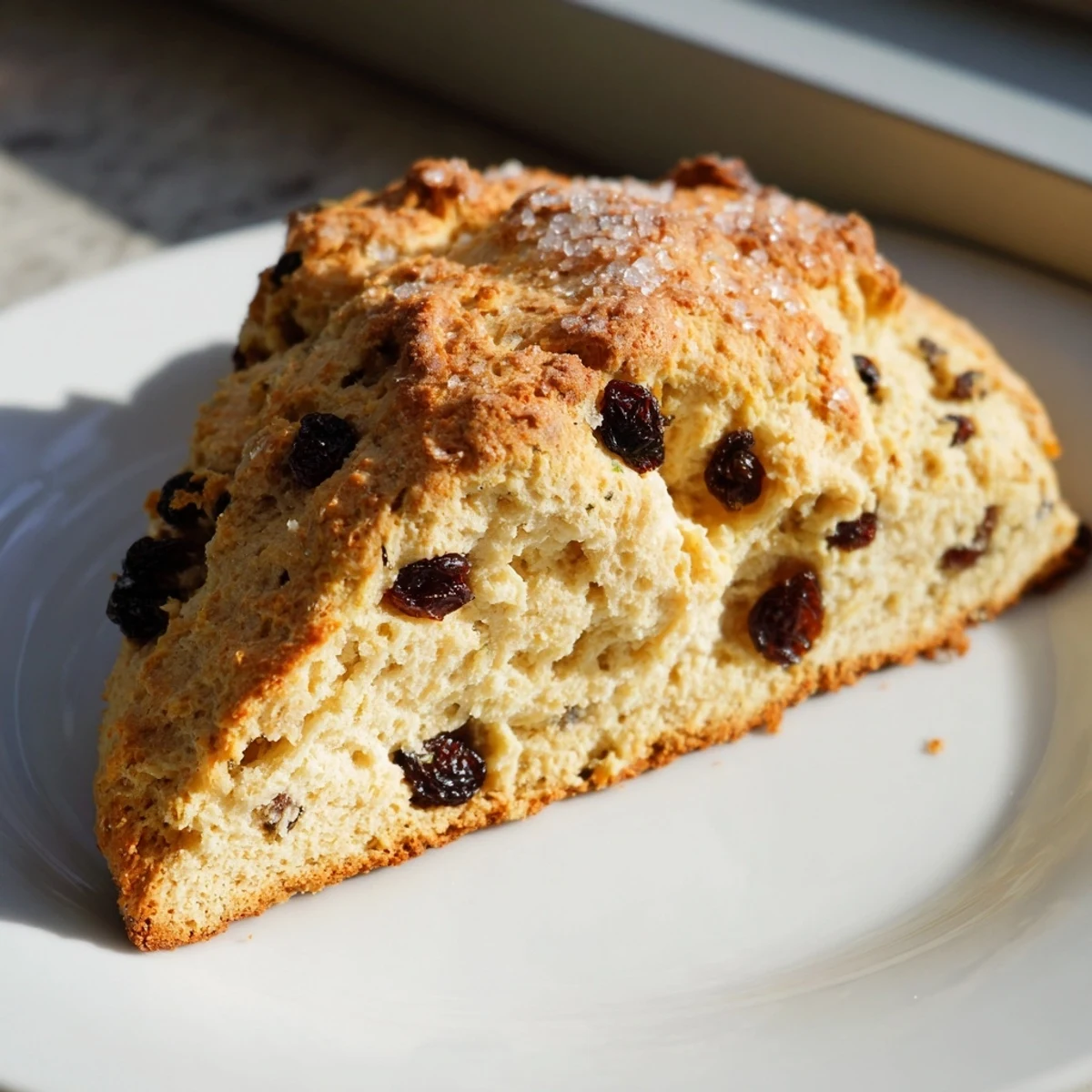
- Bake for 18 to 20 minutes until theyre beautifully golden brown and a toothpick comes out clean
- Cool slightly:
- Let them rest on a wire rack for just a few minutes before serving warm
 Save
Save My friend Brendan, who grew up in County Cork, told me that in his family, soda bread scones were always made on Saturday mornings without fail. Now whenever I make these, the smell of them baking reminds me of his stories about rainy Irish mornings and kitchens filled with steam and laughter.
Making Them Your Own
Ive discovered that replacing half the buttermilk with plain yogurt creates an incredibly tender scone with a slight tang that pairs beautifully with the currants. The acidity also helps break down the flour just enough to make them almost melt in your mouth.
When Currants Feel Fussy
Dont hesitate to use raisins or chopped dried cranberries if thats what you have in your pantry. I once made these with chopped dried apricots and a pinch of cardamom, and they became an unexpected favorite that my family still talks about.
Serving Suggestions
These scones are absolutely perfect split open and slathered with salted butter while theyre still warm enough to melt it. They also develop a lovely texture when toasted the next day, so I often make a double batch and keep some for breakfast.
- Serve with clotted cream and lemon curd for an extra indulgent afternoon tea experience
- Try them with a sharp cheddar and a little grainy mustard for a savory twist
- Wrap cooled scones tightly and freeze for up to a month, then refresh in a 350°F oven for 10 minutes
 Save
Save Theres something deeply satisfying about making scones that come together so quickly but taste like they took all morning. I hope these become part of your own kitchen traditions.
Recipe FAQs
- → What is the best flour mix for these scones?
-
A combination of all-purpose and whole wheat flour provides a balanced texture and nutty flavor.
- → Can I substitute currants with other dried fruits?
-
Yes, raisins or chopped dried cranberries make excellent alternatives to currants.
- → How do I achieve a tender crumb in these scones?
-
Using cold butter cut into the dry ingredients creates a crumbly texture that bakes into tender scones.
- → Is buttermilk necessary in the mixture?
-
Buttermilk adds moisture and slight tang; substituting half with plain yogurt works well for richer flavor.
- → What baking temperature and time are recommended?
-
Bake at 400°F (200°C) for 18–20 minutes until golden brown and cooked through.