
 Save
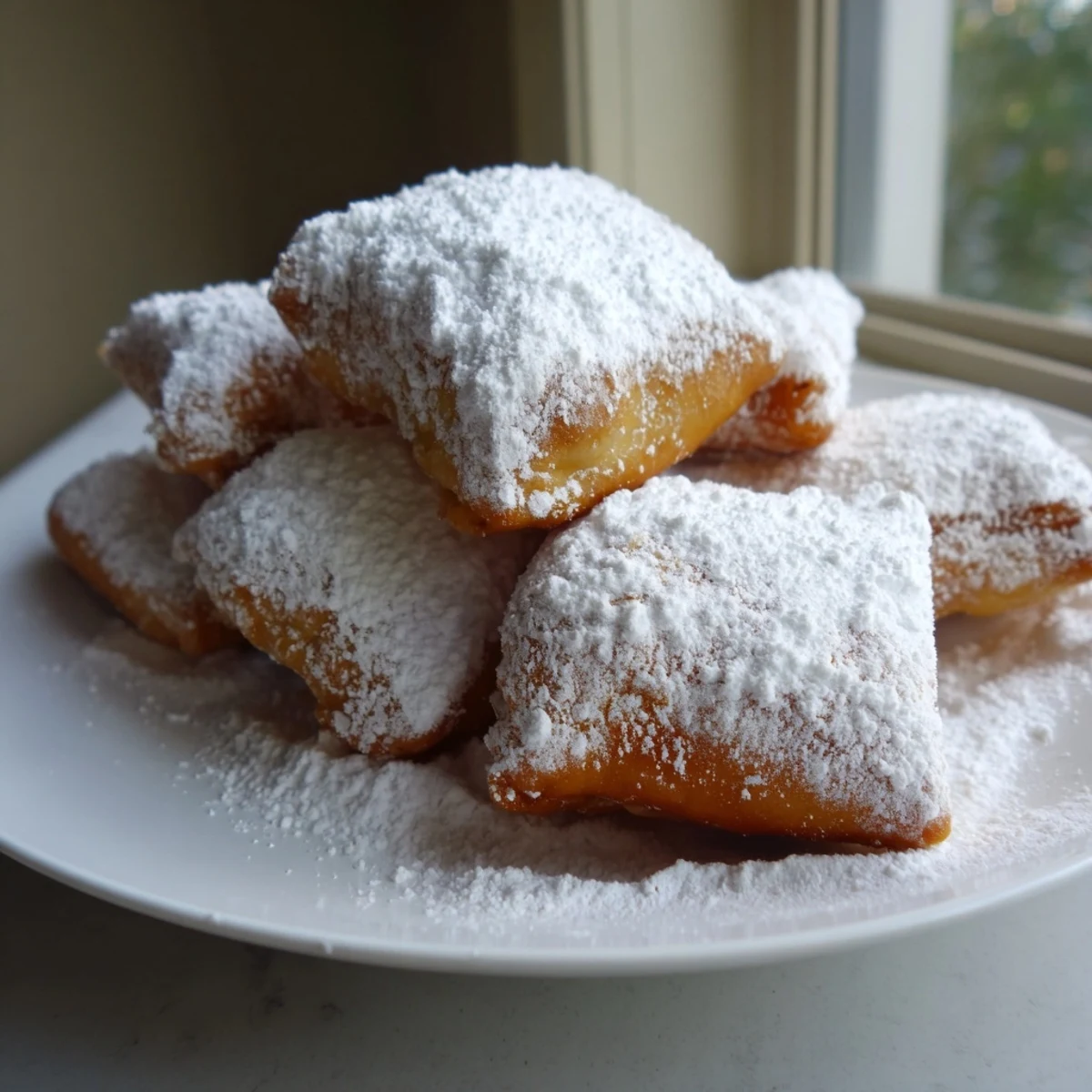
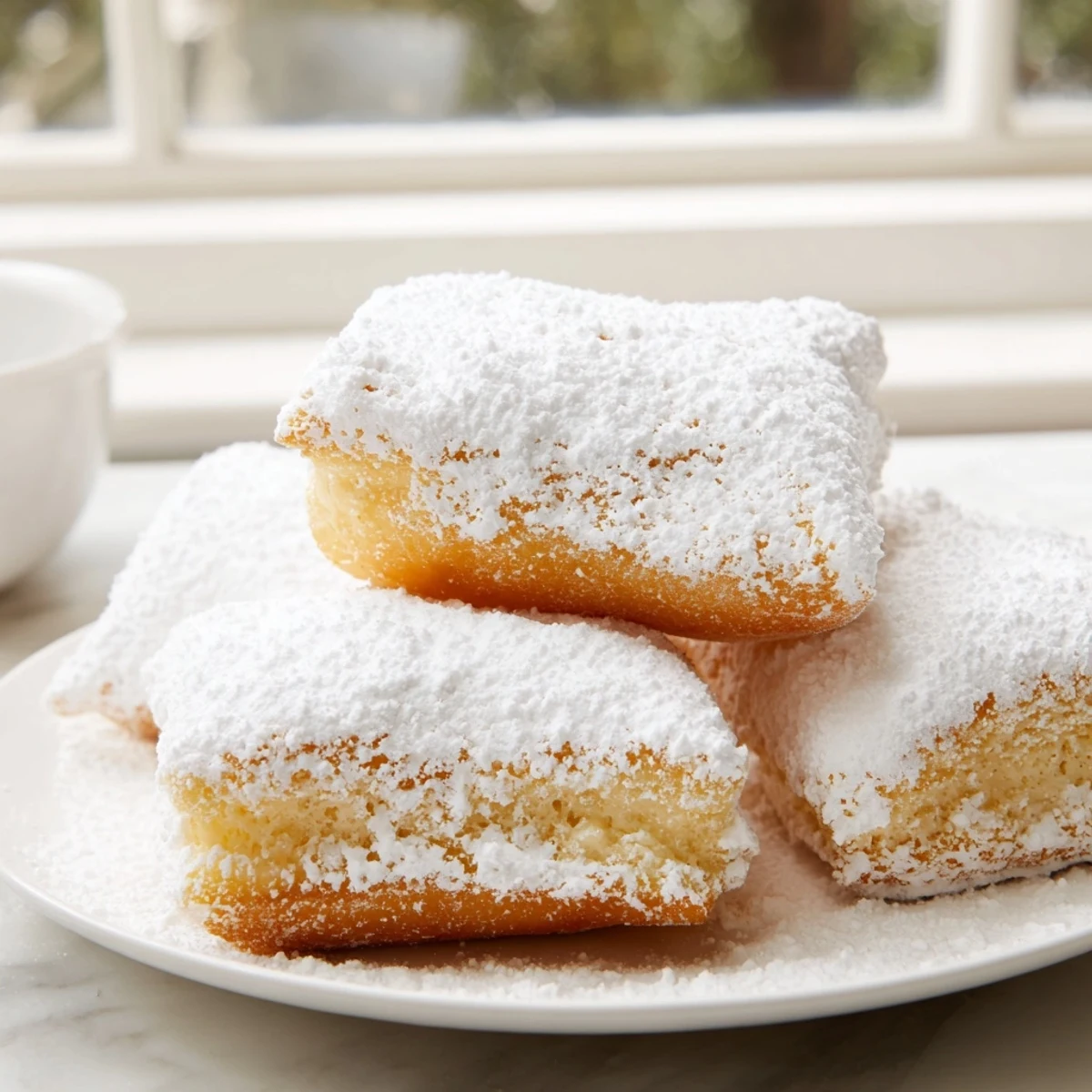
Save These beignets offer a fluffy, pillowy texture with a golden exterior, achieved through deep-frying a yeast-based dough. The dough requires a rising period, then is cut into squares and fried until crisp and puffed. Generously dusted with powdered sugar, they capture the festive spirit of Mardi Gras and deliver a sweet, tender bite. Best served warm and fresh, these treats pair beautifully with chicory coffee for an authentic New Orleans experience. Variations include adding cinnamon for extra aroma or using dairy-free alternatives.
The first time I bit into a warm beignet in New Orleans, powdered sugar puffed up around me like a sweet cloud and I accidentally inhaled half of it. I laughed through the sugar haze while locals at the next table just nodded knowingly. That moment of messy joy is exactly what beignets are supposed to be.
Last year I made these for a brunch party and watched my friend Sarah literally dance around the kitchen when she took her first bite. The way her eyes lit up reminded me why I bother with deep frying at all.
Ingredients
- All-purpose flour: The backbone of structure, but do not pack it down when measuring
- Whole milk: Room temperature works best for activating the yeast properly
- Unsalted butter: Softened to room temperature so it incorporates easily into the dough
- Granulated sugar: Feeds the yeast and adds just enough sweetness to the dough itself
- Active dry yeast: Make sure it is fresh and check the expiration date before starting
- Large eggs: Also at room temperature to prevent shocking the yeast mixture
- Salt: Enhances all the flavors and balances the sweetness
- Vanilla extract: Adds that comforting background note that makes these taste like home
- Vegetable oil: You need enough depth to float the beignets as they fry
- Powdered sugar: Buy extra than you think you need because generous dusting is nonnegotiable
Instructions
- Wake up the yeast:
- Combine the lukewarm milk with yeast in a small bowl and walk away for exactly five minutes. Come back to find it foamy and alive, which means it is ready to work.
- Build the base:
- Beat your eggs, sugar, softened butter, and vanilla until the mixture looks smooth and creamy.
- Combine wet and dry:
- Pour in that bubbly yeast mixture, stir in the salt, then add half your flour. Mix just until everything starts coming together.
- Work in the rest:
- Gradually incorporate the remaining flour until you have a sticky, shaggy dough that clings to your spoon.
- Knead it out:
- Turn the dough onto a floured surface and knead for five to six minutes. You will feel it transform from tacky to smooth and elastic under your hands.
- Let it rise:
- Place the dough in a greased bowl, cover with a damp cloth, and tuck it somewhere warm. Wait one to one and a half hours until it has doubled in size.
- Roll and cut:
- Punch down the risen dough, roll it out to half an inch thick, and cut into two and a half inch squares with a sharp knife or pizza cutter.
- Heat the oil:
- Get your oil to 350 degrees Fahrenheit in a deep fryer or heavy pot. If you do not have a thermometer, drop in a small piece of dough and it should sizzle immediately and rise to the surface.
- Fry in batches:
- Cook the beignets for one to two minutes per side, turning once, until they are puffed and gorgeously golden brown all over.
- Sugar shower:
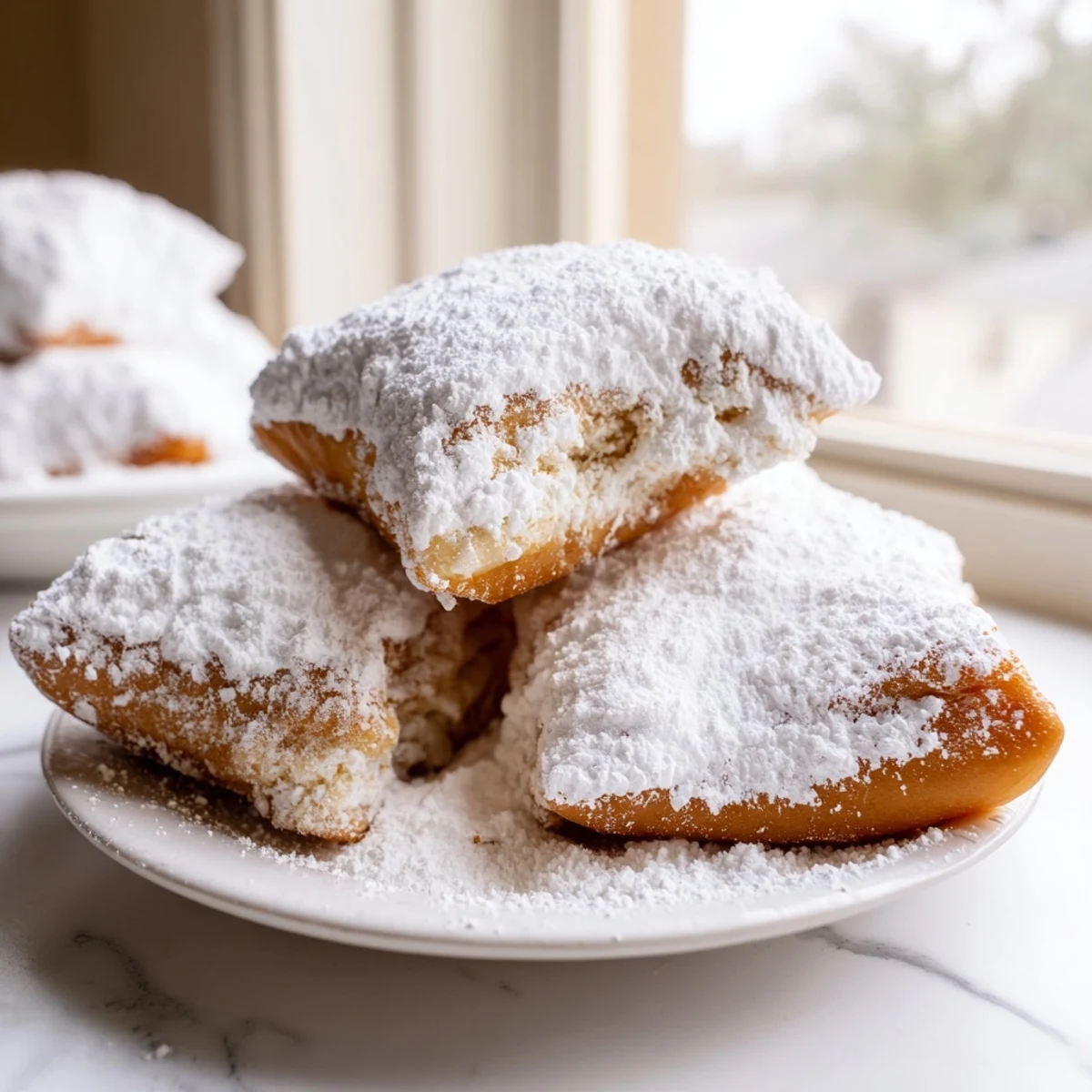
- Let them drain briefly on paper towels while still warm, then dust generously with powdered sugar until they look like little snow covered pillows.
 Save
Save My grandmother always said that making beignets teaches you patience because rushing the rising time never works. I have tested her theory and she was absolutely right.
Getting the Rise Right
I have found that the warmest spot in my kitchen is on top of the refrigerator, where the rising dough stays perfectly happy. Drafty windowsills and cold counters can make yeast sluggish, so hunt around for that cozy corner.
Frying Like a Pro
Keep your oil temperature steady by adjusting the heat as you add new batches. I use a simple instant read thermometer clipped to the side of my pot because guessing has never served me well.
Serving Suggestions
These really do demand to be eaten the moment they are cool enough to handle. Pair them with chicory coffee if you want that full French Quarter experience.
- Set up a dusting station with powdered sugar in a shallow dish for even coverage
- Have napkins ready because the sugar gets everywhere, and that is part of the fun
- Invite people over immediately because beignets wait for no one
 Save
Save There is something wonderful about standing in a kitchen covered in flour and sugar, serving warm fried dough to people you love.
Recipe FAQs
- → How do I achieve the perfect fluffy texture in beignets?
-
Ensuring the dough rises adequately, kneading until smooth, and frying at the right temperature (350°F) creates that signature fluffy interior with a crispy exterior.
- → Can I prepare the dough in advance?
-
Yes, after the first rise, you can refrigerate the dough overnight. Allow it to come to room temperature and rise again before frying.
- → What oil is best for deep-frying beignets?
-
Vegetable oil is ideal due to its neutral flavor and high smoke point, which helps achieve golden, evenly cooked beignets.
- → How should I store leftover beignets?
-
Store them in an airtight container at room temperature and consume within a day as they taste best fresh and warm.
- → Are there common variations to the traditional beignet dough?
-
Additions like cinnamon or using plant-based milk and butter alternatives can offer flavor variations and accommodate dietary preferences.