
 Save
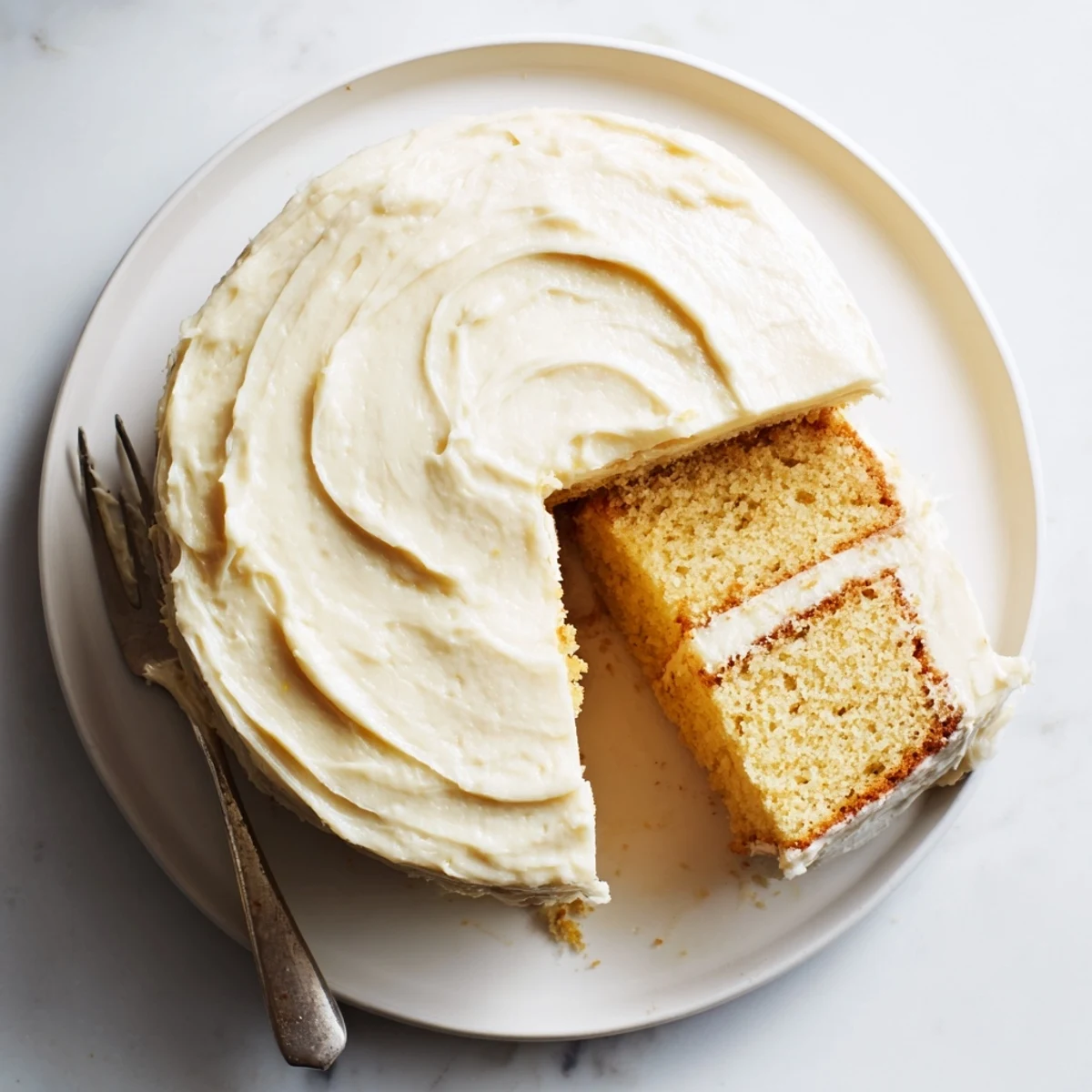
Save This classic vanilla cake features a tender, moist crumb topped with silky vanilla buttercream. The batter comes together quickly with pantry staples, baking into two golden layers that pair beautifully with the rich frosting. Perfect for birthdays, holidays, or weekend baking.
The smell of vanilla always pulls me back to my grandmother's tiny kitchen, where sunlight streamed through the window over her flour-dusted table. She taught me that a perfect vanilla cake isn't about fancy techniques—it's about patience and letting simple ingredients shine. I've carried that wisdom through years of birthday celebrations and random Tuesday afternoon cravings. There's something deeply honest about a cake that tastes exactly like comfort should.
Last summer my daughter asked me to bake her wedding cake, and I panicked until I remembered this recipe. We spent three days practicing in her tiny apartment kitchen, making messes and eating our mistakes with laughter floating through the air. The final cake was simple, elegant, and exactly what she wanted—sometimes the classics become classics for a reason.
Ingredients
- All-purpose flour: Provides structure without weighing down the tender crumb
- Baking powder: The lift that makes each bite feel like a cloud
- Salt: Just enough to wake up all the flavors
- Unsalted butter: Room temperature is non-negotiable here
- Granulated sugar: Creates that perfect tender crumb structure
- Large eggs: Also room temperature—they emulsify better and create a smoother batter
- Pure vanilla extract: Dont skimp here because its the star of the show
- Whole milk: Room temperature again—see the pattern emerging
- Unsalted butter for frosting: The foundation of everything good
- Powdered sugar: Sift it first or regret those lumpy moments later
- Milk and vanilla: Transform butter and sugar into something magical
- Pinch of salt: Keeps the sweetness from becoming cloying
Instructions
- Preheat your oven to 350°F
- Those first few minutes while your oven heats up are perfect for lining your pans with parchment paper and buttering the edges thoroughly
- Whisk your dry ingredients
- Flour, baking powder, and salt should be combined in a medium bowl until you cant see any spots of white powder
- Cream butter and sugar
- Beat them together for a full 3 to 4 minutes until the mixture turns pale and fluffy—this creates those tiny air pockets that make the cake light
- Add eggs one at a time
- Let each egg fully incorporate before adding the next, then stir in your vanilla until the batter smells like a bakery
- Combine wet and dry
- Alternate between adding flour mixture and milk, starting and ending with the flour, mixing only until you no longer see dry streaks
- Bake until perfection
- Divide between your prepared pans, smooth the tops, and bake for 28 to 32 minutes until a toothpick comes out clean
- Cool completely
- Let them rest in the pans for 10 minutes before turning them onto wire racks—patience prevents broken cakes
- Make the buttercream
- Beat butter until creamy, then gradually add powdered sugar, milk, vanilla, and salt until the frosting is smooth and spreadable
- Assemble with love
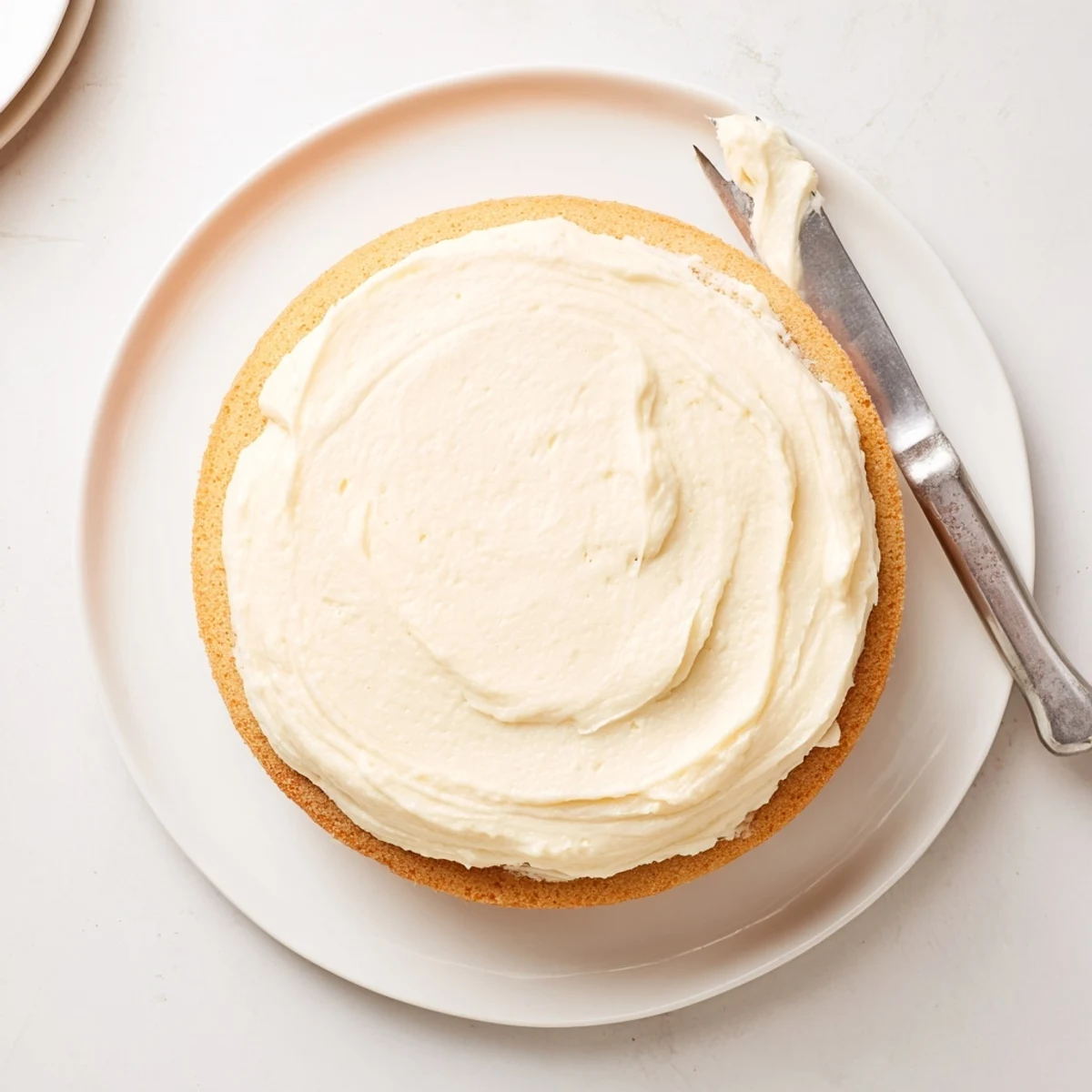
- Spread buttercream between the cooled layers, then frost the top and sides until everything is covered and beautiful
 Save
Save This cake became my go-to the winter my neighbor lost her husband. I showed up at her door with vanilla cake and a willingness to sit in silence or talk for hours. Food has this way of saying things we cant find words for sometimes.
Making It Ahead
The cakes freeze beautifully for up to two months if you wrap them tightly in plastic and then foil. Thaw them overnight in the refrigerator before frosting—they actually taste better this way because the flavors have time to deepen.
Simple Variations
Scrape the seeds from a vanilla bean into your batter for those gorgeous little specks and even deeper flavor. Sometimes I fold fresh berries into the batter or use a different jam between layers for a unexpected twist that still feels classic.
Frosting Like A Pro
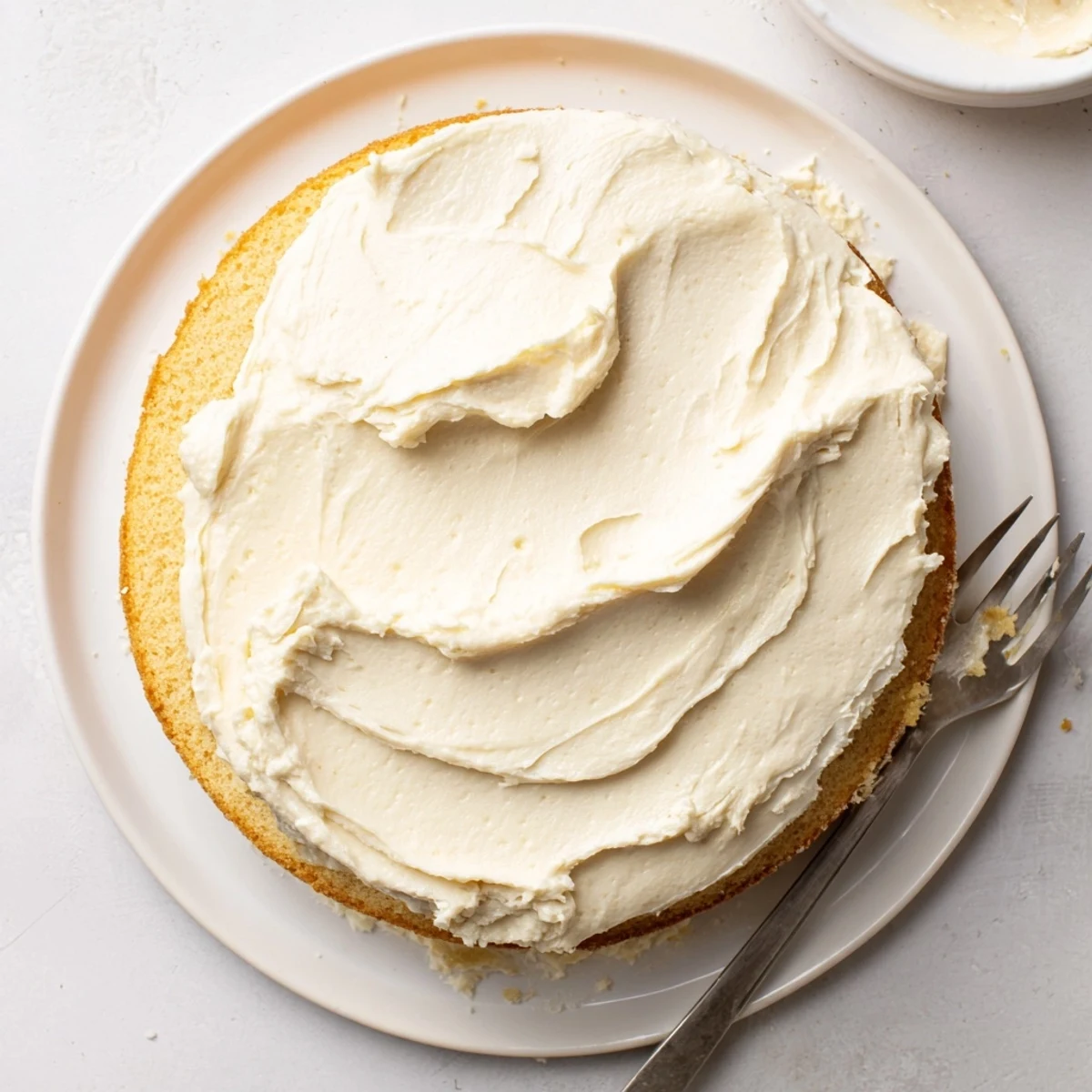
Apply a thin crumb coat first and let it set for 15 minutes before adding your final layer of frosting. This locks in any loose crumbs and gives you that perfectly smooth professional-looking finish.
- Chill your frosted cake for 15 minutes before slicing to get cleaner cuts
- Warm your knife under hot water and wipe it clean between slices
- Leftovers keep at room temperature for up to 3 days if covered well
 Save
Save Every slice of this cake carries something simple and true. Sometimes the most beautiful things are the ones weve known all along.
Recipe FAQs
- → How do I know when the cake is done baking?
-
Insert a toothpick into the center of the cake. If it comes out clean or with just a few moist crumbs, the cake is ready. The tops should be golden brown and spring back when lightly touched.
- → Can I make this cake ahead of time?
-
Yes! Bake the layers up to 2 months ahead and freeze them tightly wrapped. Thaw overnight before frosting. You can also frost the finished cake and refrigerate it for up to 3 days.
- → Why should ingredients be at room temperature?
-
Room temperature eggs, butter, and milk emulsify better, creating a smoother batter with even texture. Cold ingredients can cause the batter to curdle or seize, affecting the final cake's texture.
- → Can I use salted butter instead of unsalted?
-
You can, but reduce the added salt in both the cake and frosting by about half. Salted butter contains varying amounts of salt, so adjusting helps maintain the right flavor balance.
- → How do I prevent my cake layers from sticking to the pans?
-
Generously grease the pans with butter or oil, then line the bottoms with parchment paper. This ensures easy release every time. Let the cakes cool for 10 minutes before removing them.