
 Save
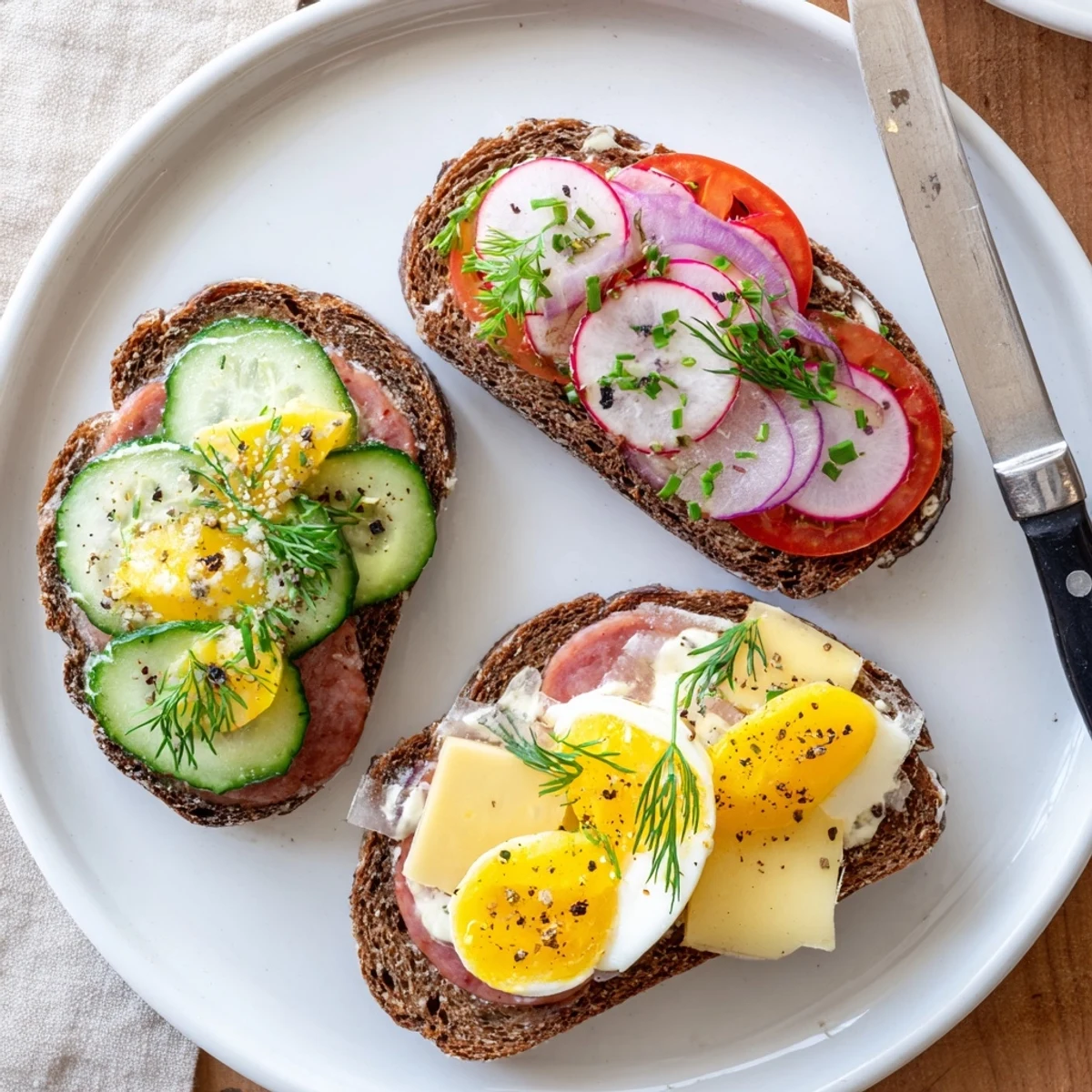
Save Open-faced Polish sandwiches, known as kanapki, are a beloved staple of Polish cuisine served at breakfast, lunch, or family gatherings.
Thick slices of rye bread get layered with butter or cream cheese, then topped with kielbasa, sliced eggs, yellow cheese, and an array of fresh vegetables including tomatoes, cucumbers, radishes, and red onion.
Finished with a sprinkle of chives or dill and a crack of black pepper, these colorful sandwiches come together in just 15 minutes with no cooking required.
My grandmother's kitchen in Chicago smelled like rye bread and kielbasa every Saturday morning, and these open-faced kanapki were the first thing she taught me to assemble without a recipe.
I once brought a platter of these to a potluck expecting them to disappear quickly, and they were gone before I even set the plate down.
Ingredients
- Rye bread or baguette (8 slices): Rye is traditional and holds up beautifully under toppings without getting soggy.
- Unsalted butter, softened (3 tbsp): Softened butter spreads cleanly and creates a moisture barrier between bread and toppings.
- Cream cheese (2 tbsp, optional): Adds a tangy creaminess that pairs especially well with egg and vegetable toppings.
- Kielbasa or smoked ham (4 slices): Kielbasa gives an authentic Polish flavor, but quality smoked ham works just as well.
- Cooked egg (4 slices): Hard-boiled egg sliced thin adds protein and a gentle richness.
- Yellow cheese such as Edam or Gouda (4 slices): A mild cheese lets the other flavors come through without competing.
- Tomato, thinly sliced (1): Brings juiciness and color, so choose a ripe but firm one.
- Small cucumber, thinly sliced (1): Fresh crunch that balances the heavier meats and cheeses.
- Red onion, thinly sliced (1/4): Just enough sharpness to wake up each bite.
- Radishes, thinly sliced (8): Their peppery bite is a classic Polish touch that surprises people.
- Fresh chives or dill, chopped: Either one elevates everything on the plate with brightness.
- Salt and freshly ground black pepper: Season generously but taste as you go.
Instructions
- Lay the foundation:
- Arrange your bread slices on a clean cutting board or platter, giving yourself room to work comfortably.
- Spread the base:
- Cover each slice edge to edge with softened butter, or use cream cheese on a few for variety.
- Build the protein layer:
- Lay one slice of kielbasa, ham, egg, or cheese on each piece of bread, mixing and matching as you like.
- Stack the vegetables:
- Arrange tomato, cucumber, red onion, and radish slices on top, letting colors overlap naturally.
- Finish with herbs and seasoning:
- Sprinkle chopped chives or dill across each sandwich and add salt and pepper to taste.
- Serve right away:
- These are best eaten immediately while the bread is fresh and the vegetables are crisp.
 Save
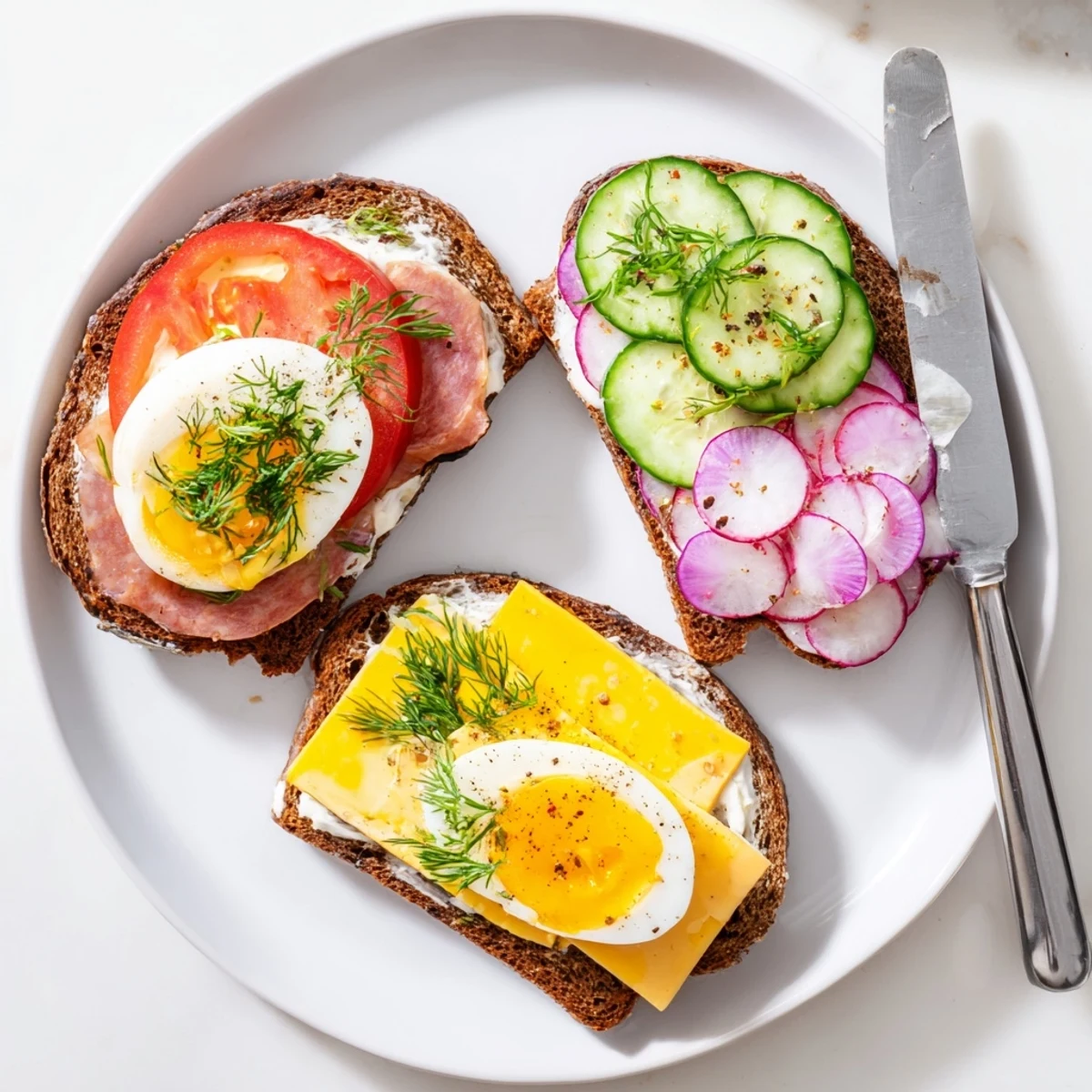
Save The beauty of kanapki is that they turn an ordinary afternoon into something celebratory with almost no effort at all.
Bread Makes or Breaks It
I learned the hard way that flimsy sandwich bread collapses under the weight of all those toppings. A dense, sturdy rye or a crusty baguette slice gives you something to bite into that actually holds together. If your bread feels too thick, toast it lightly for a few minutes to firm it up without drying it out.
Topping Combinations That Work
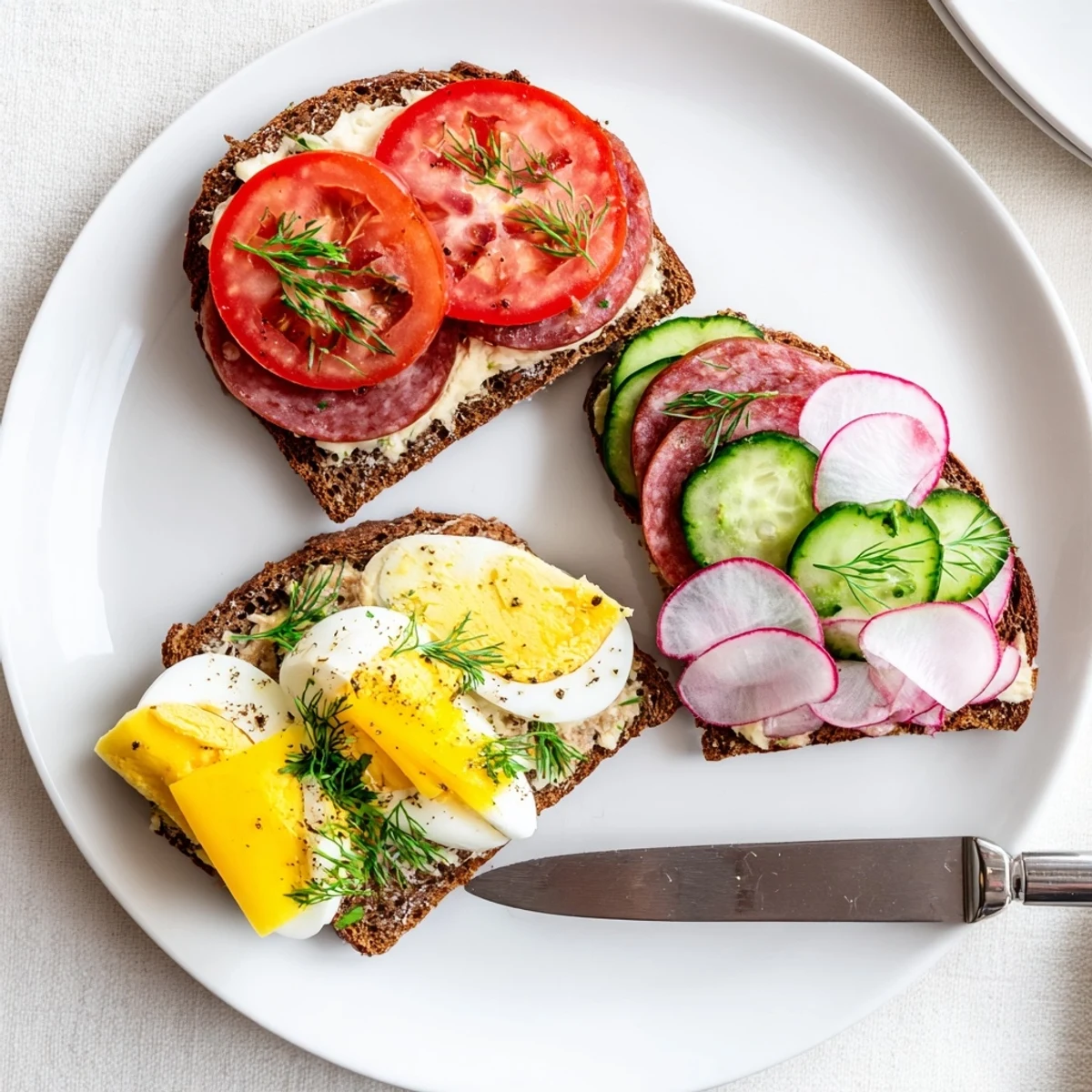
Some pairings have stood the test of time for good reason. Kielbasa with radish and dill tastes deeply Polish in the best way, while egg with cucumber and chives is unexpectedly satisfying. Yellow cheese with tomato and red onion gives you something close to a salad on bread.
Serving and Enjoying
Arrange these on a big wooden board and watch people gravitate toward them at any gathering. They disappear fastest when you vary the toppings across the platter so every sandwich looks a little different.
- Set out extra toppings so guests can build their own.
- Pickles and horseradish on the side are never a bad idea.
- Pair with black tea or a cold lager for the full experience.
 Save
Save Keep it simple, use good ingredients, and let each topping speak for itself.
Recipe FAQs
- → What type of bread works best for kanapki?
-
Traditional Polish kanapki are made with dense rye bread or a fresh baguette. Sourdough and wholegrain loaves also work beautifully, providing a sturdy base that holds up well under generous toppings.
- → Can kanapki be made ahead of time?
-
For the freshest results, assemble kanapki close to serving time. You can prepare toppings and spreads in advance, but wait to layer them on the bread so it doesn't become soggy from the vegetables and spreads.
- → What are traditional toppings for Polish open sandwiches?
-
Classic toppings include kielbasa, smoked ham, hard-boiled egg slices, Edam or Gouda cheese, pickles, tomatoes, cucumbers, and radishes. Fresh herbs like dill and chives are essential finishing touches.
- → Are kanapki served warm or cold?
-
Kanapki are typically served at room temperature or chilled. Since they feature cold cuts, cheese, and raw vegetables, no cooking or heating is needed, making them an effortless option for entertaining.
- → How do I make kanapki vegetarian?
-
Simply skip the kielbasa and ham, and load up on sliced hard-boiled eggs, cheese, and extra vegetables. Marinated mushrooms, roasted peppers, and hummus also make excellent vegetarian toppings.
- → What beverages pair well with Polish open sandwiches?
-
Kanapki pair wonderfully with hot black tea, a Polish tradition, or a cold crisp lager beer. They also complement light soups like tomato or cucumber soup for a more filling meal.