
 Save
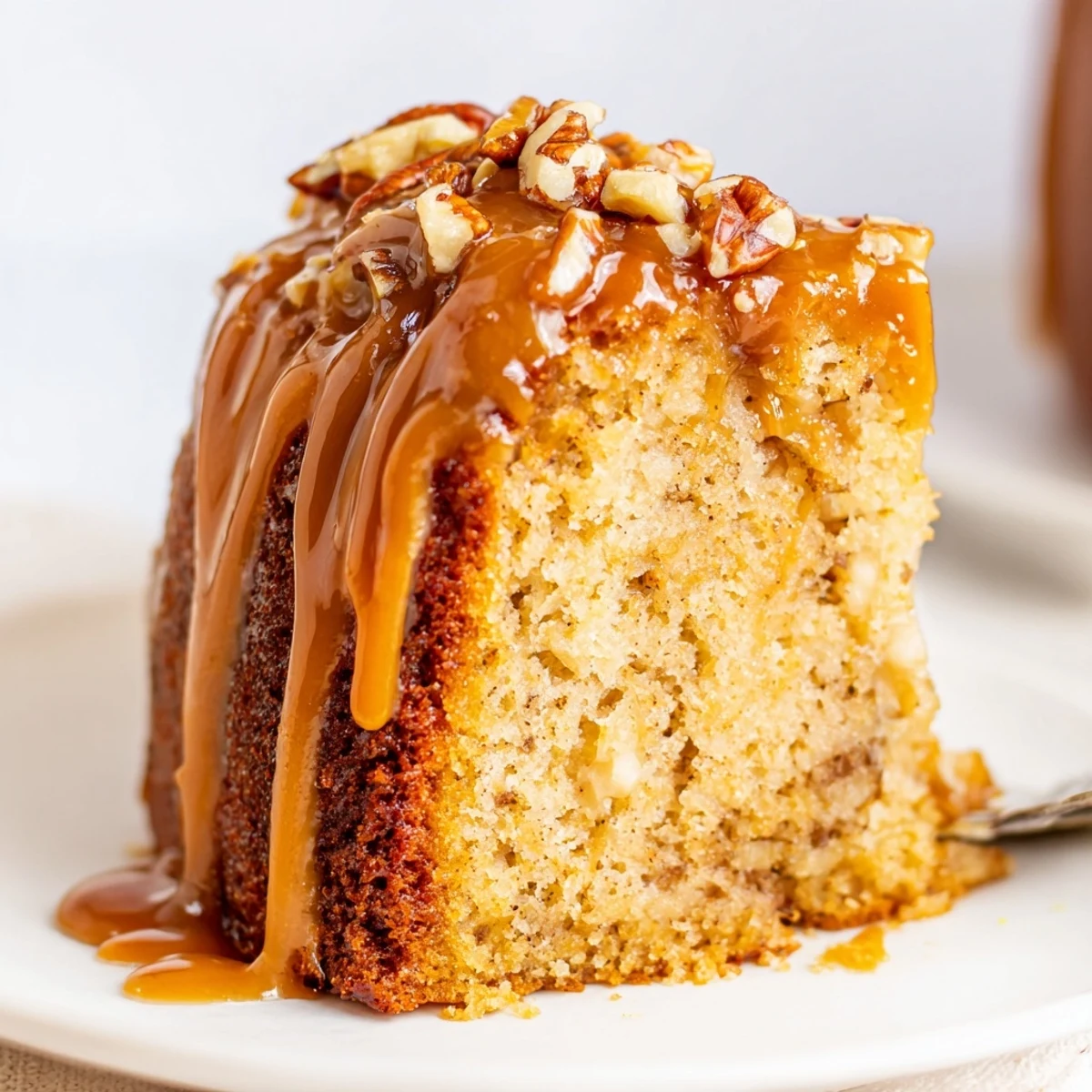
Save This moist banana cake relies on browned butter for a nutty depth—cool it slightly before combining with sugars and mashed ripe bananas to preserve air. Fold dry ingredients gently and add sour cream for a tender crumb; bake at 350°F until a toothpick is clean. Make salted caramel by melting sugar, whisking in butter then cream, cool before using. Finish with sea salt flakes or chopped toasted nuts.
The unmistakable aroma of brown butter mingling with ripe bananas filled my kitchen one rainy afternoon, and suddenly the idea for this salted caramel banana cake was born. There is something exhilarating about the moment you pour shimmering caramel over a soft, golden cake. Every time I make this, the kitchen transforms—warm, inviting, and heavy with anticipation. Even the neighbor's dog seems to linger near the window around cake time.
Once, on a chilly November evening, I brought this cake to a friend's birthday potluck, not expecting much fanfare. The laughter grew louder as the cake disappeared slice by slice, and even after the last forkful, everyone swore they'd never view banana cake the same way. There's genuine joy in watching something simple turn into the highlight of the night. I learned then that sharing dessert can forge new traditions in the most unexpected ways.
Ingredients
- Unsalted butter: Browning the butter adds a nutty base to the cake that balances the sweetness of caramel beautifully—just keep an eye so it doesn't go from golden to burnt.
- All-purpose flour: This reliable pantry staple creates a moist yet sturdy crumb, and I've found sifting it first helps keep the cake especially light.
- Baking soda & baking powder: Both are crucial for lift; double-check they're fresh for best results, as flat cake is a heartbreak.
- Salt: Just half a teaspoon brightens every nuanced flavor—even the caramel notices.
- Granulated and light brown sugar: The combination delivers depth and caramel undertones without overpowering the bananas.
- Large eggs: They bring structure and richness; room temperature eggs always blend more smoothly into batter, trust me.
- Mashed ripe bananas: Spotty, ripe bananas are non-negotiable; they sweeten the cake and keep it soft for days.
- Pure vanilla extract: A little vanilla ties the earthiness of brown butter and banana together without crowding the stage.
- Sour cream: This is my secret weapon for moist cake that stays fresh, even if you sneak a piece two days later.
- Heavy cream: Essential for silky caramel sauce—don’t sub in milk here, or the texture just isn’t right.
- Flaky sea salt: A sprinkle at the end magnifies the caramel’s buttery notes and adds irresistible crunch.
- Powdered sugar: For a cloud-light caramel frosting, sift this so it melts right in.
- Milk: Just a splash loosens the frosting to spreadable, luscious perfection.
Instructions
- Prep and Line:
- Set your oven to 350°F and line a 9-inch pan with parchment—the easiest insurance policy for a perfect release.
- Brown the Butter:
- Swirl butter in a saucepan over medium heat; listen for the sizzle, watch for a toasted aroma, and pull it off the heat once flecks turn deep amber.
- Mix Dry Ingredients:
- Whisk together flour, baking soda, baking powder, and salt—don't skip this, as even distribution really matters later.
- Make the Banana Base:
- In a large bowl, blend the cooled brown butter with both sugars, then beat in eggs one by one until creamy. Stir in bananas and vanilla—the batter should be dappled with golden brown specks.
- Combine and Fold:
- Gently fold the dry mix into the wet bowl, add sour cream, and stop as soon as no dry spots show; overmixing invites a dense cake.
- Bake to Gold:
- Pour batter into your pan and smooth the top. Bake 40–45 minutes—your kitchen will smell incredible when it’s done; a toothpick should come out clean.
- Craft the Salted Caramel:
- In a clean saucepan, melt sugar over medium heat, stirring constantly until deep amber. Whisk in butter (it’ll bubble wildly), then slowly add cream and finish with sea salt before cooling.
- Whip Up Caramel Frosting:
- If going for frosting, beat butter until fluffy, slowly add powdered sugar and caramel sauce, and splash in milk for dreamy consistency.
- Finish and Decorate:
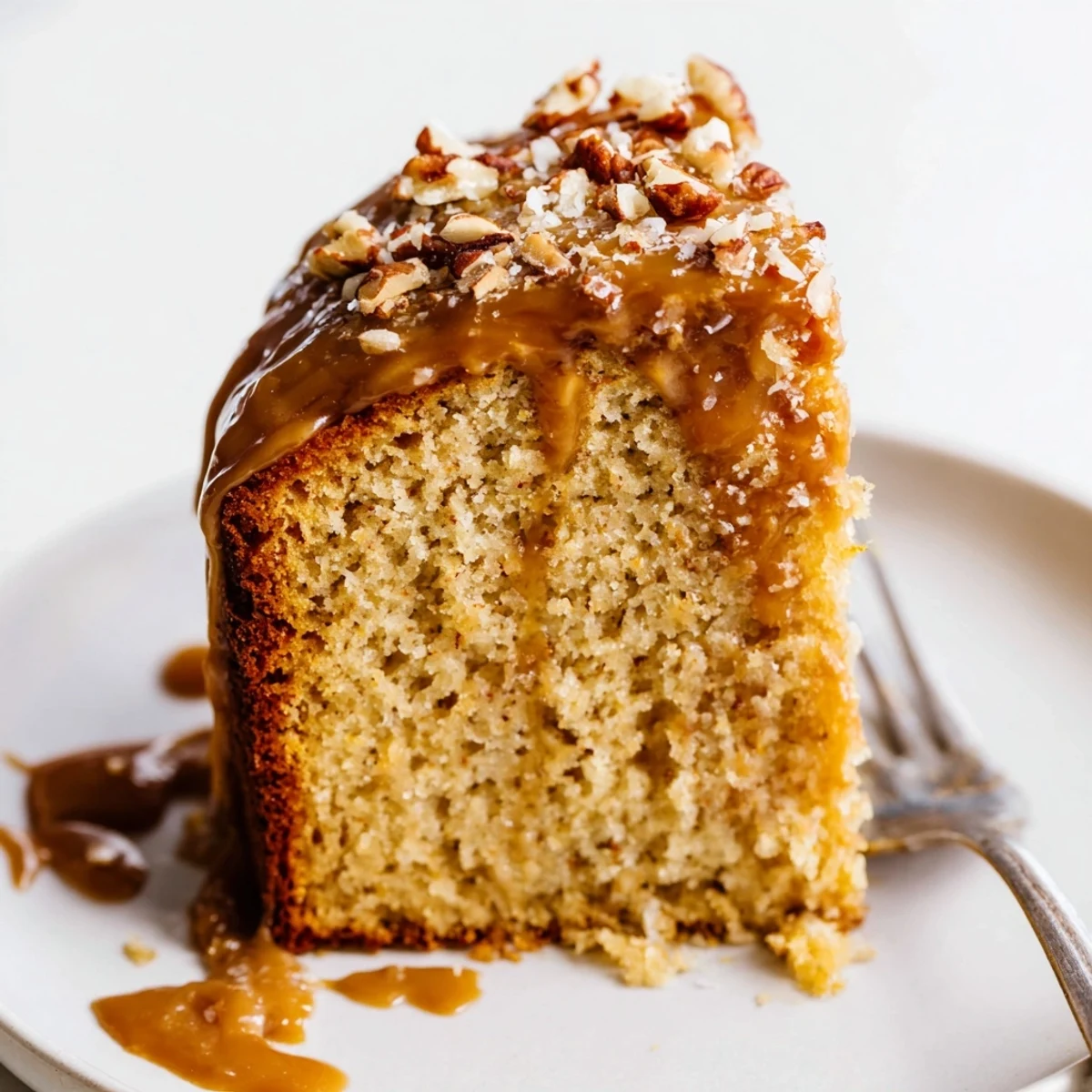
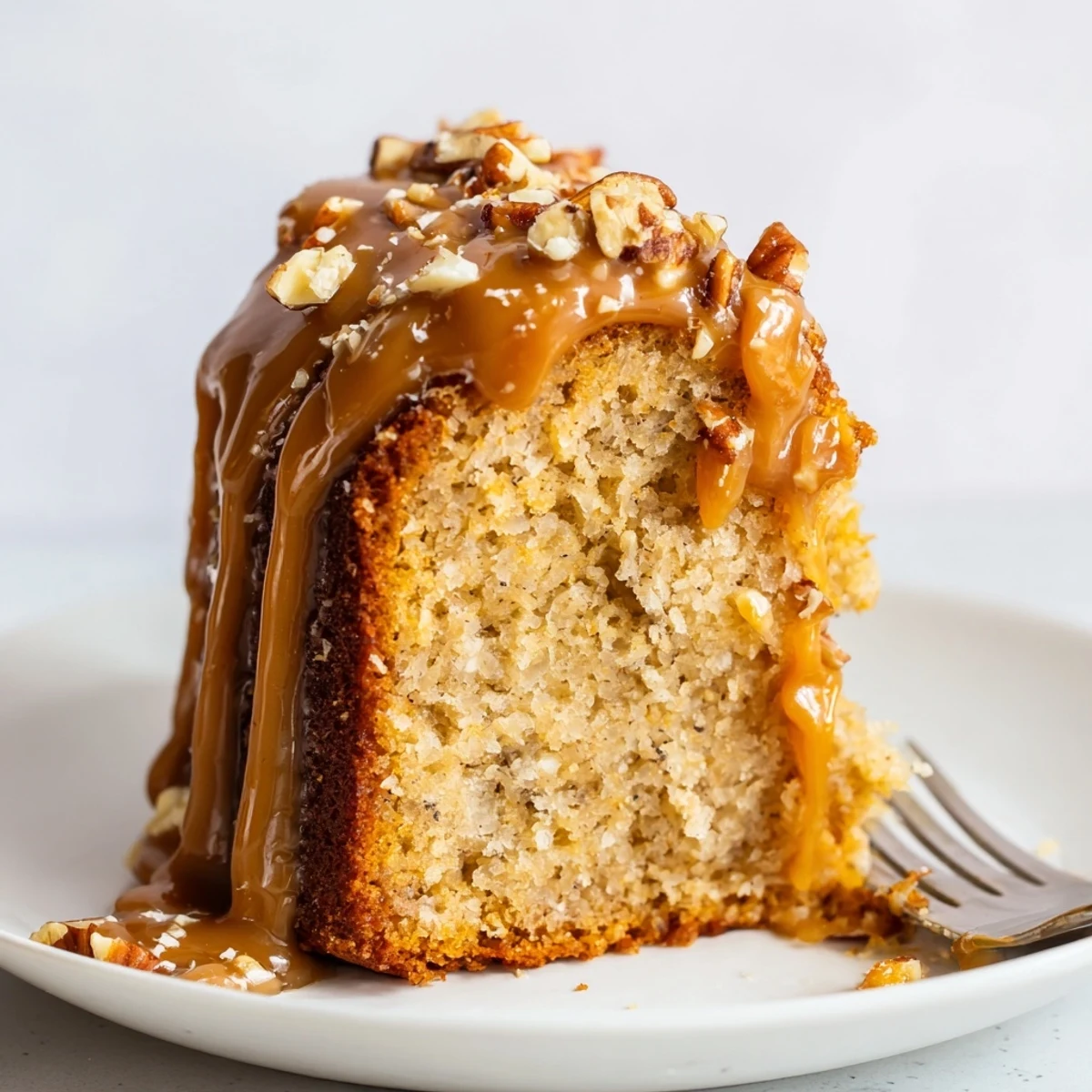
- Once the cake is cool, lavish it with caramel frosting or a generous drizzle of sauce, and finish with a sprinkle of flaky sea salt—the fun part!
 Save
Save It was during a boisterous family brunch that this cake unintentionally stole the show from the usual pancakes and eggs. The delighted looks when everyone discovered the salted caramel surprise inside are worth every extra pan washed. From that day, my brother started calling it my 'peace-offering' cake whenever family debates got a bit too lively. Cake as mediator: who could argue with that?
Making Ahead and Storing
I’ve learned that this cake actually gets even better the next day—just cover it tightly and leave it at room temperature. If you swirl the caramel on top, it soaks in a bit more and adds unexpected gooey pockets. For gatherings, I bake the cake the evening before, frost in the morning, and have zero stress about last-minute prep. Any frosted leftovers should always be covered to prevent them from drying out.
Swaps, Variations, and Add-Ins
Feel free to fold in toasted pecans or walnuts for a beautiful crunch against the cake’s soft crumb—it’s a trick I leaned into after running out of caramel once. A handful of dark chocolate chunks gives the whole thing an indulgent twist that guests adore. If you’re feeling adventurous, a pinch of cinnamon or espresso powder in the batter can create layers of flavor that keep people guessing. Alternative pans, like a bundt or a loaf, work too—but watch your bake time closely.
Troubleshooting the Trickiest Parts
Not every attempt is perfect—steam once clouded my caramel, turning it grainy (don’t stir after the sugar melts). Cakes stuck in pans have taught me that a thorough parchment lining is non-negotiable. Sometimes the frosting breaks, but a bit of extra milk and mixing usually smooths things out again.
- Always let the brown butter cool before adding or it can scramble your eggs.
- Don’t rush the caramel—medium heat is plenty and helps you catch when the color is just right.
- Taste the caramel sauce before you drizzle—if it lacks depth, an extra pinch of sea salt wakes it right up.
 Save
Save Making this salted caramel brown butter banana cake never fails to lift my mood and charm a crowd. I hope it brings just as much joy and a hint of adventure to your kitchen.
Recipe FAQs
- → How do I brown butter without burning it?
-
Melt butter over medium heat, stirring constantly. It will foam, then brown flecks will appear and a nutty aroma develops. Remove from heat immediately and transfer to a cool bowl to stop cooking; scrape any brown bits from the pan into the mixture for extra flavor.
- → What ripeness of bananas works best?
-
Use very ripe bananas with dark spots for the most sugar and banana flavor. Measure after mashing—about 1 1/2 cups from 3–4 medium bananas—to keep the batter balanced and the crumb moist.
- → How can I tell when the cake is done baking?
-
Bake until the top is golden and a toothpick inserted in the center comes out clean or with a few moist crumbs. The cake should spring back slightly when touched and begin to pull away from the pan edges.
- → Any tips for making the salted caramel sauce?
-
Melt sugar slowly over medium heat until amber, then whisk in cubed butter before slowly adding warm cream; the mixture will bubble vigorously. Stir in flaky sea salt and cool to thicken. Use caution—caramel is extremely hot.
- → Can I add nuts for texture?
-
Yes—fold chopped toasted pecans or walnuts into the batter or sprinkle them on top before serving for crunch. Toasting the nuts enhances their flavor and reduces moisture so they stay crisp.
- → How should leftovers be stored?
-
Keep cooled, frosted or unfrosted cake in an airtight container at room temperature for up to 3 days. For longer storage, wrap slices tightly and freeze; thaw at room temperature. Store caramel separately if you want a firmer topping after refrigeration.