
 Save
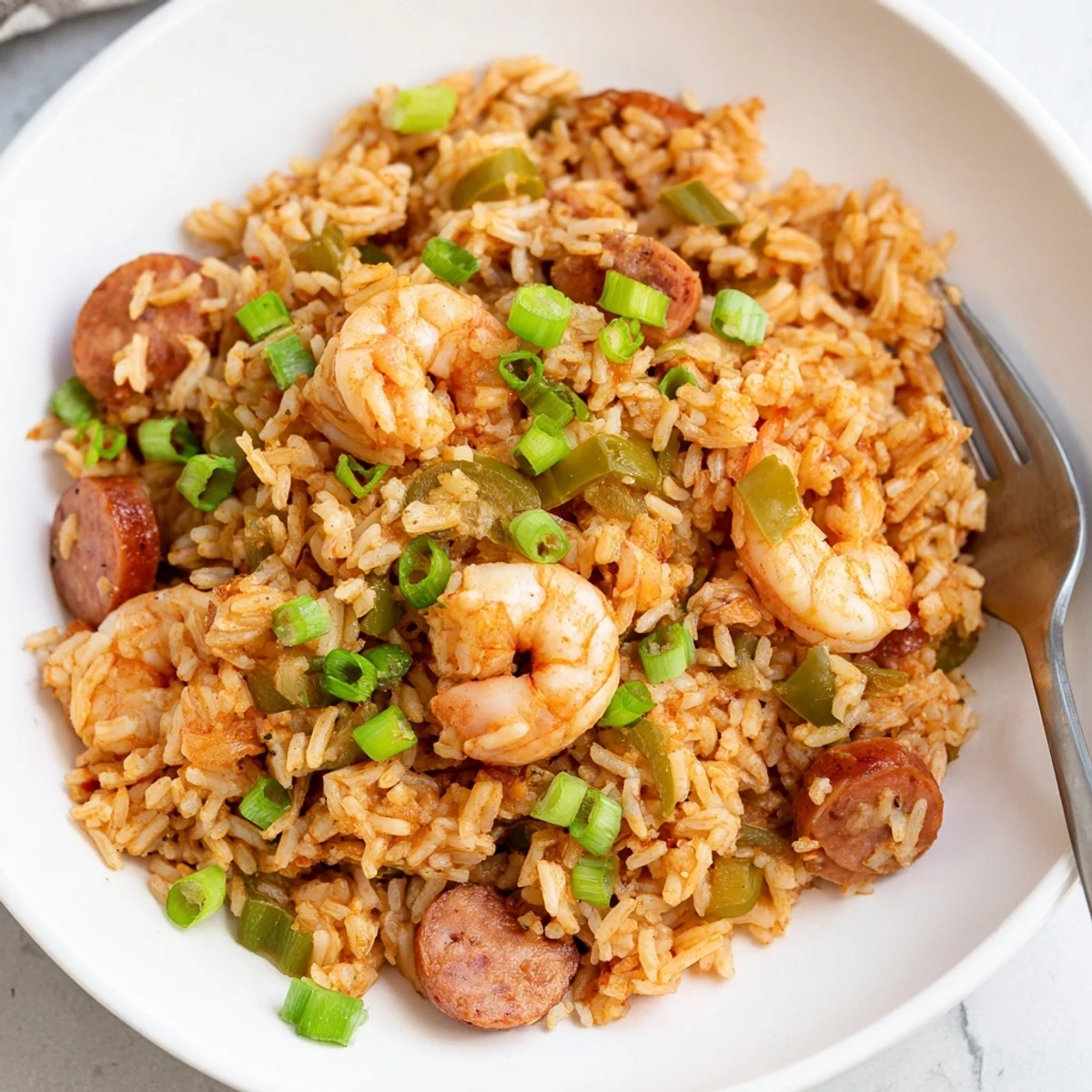
Save This Southern classic brings together the bold flavors of Creole cooking in a single satisfying dish. Succulent shrimp and smoky andouille sausage mingle with perfectly seasoned rice, while the holy trinity of onion, bell pepper, and celery adds depth and aroma.
The preparation comes together efficiently—brown the sausage first to render its flavorful fat, then sauté the vegetables until tender. Toasting the rice with tomato paste and spices before adding broth creates a rich base. Simmering allows the grains to absorb all those savory seasonings, while the shrimp steam gently on top during the final minutes.
Serve it straight from the pan, garnished with fresh scallions and parsley for brightness. This dish makes a complete meal on its own, offering protein, vegetables, and starch in every satisfying forkful.
The first time I had dirty rice was at a tiny hole-in-the-wall restaurant in New Orleans, where the owner told me the secret was in the patience of the rice. I've been tweaking this version ever since, and my family requests it at least twice a month now. Something about the way the spices infuse into every grain makes the whole house smell like a proper Southern kitchen.
Last summer, I made this for a dinner party when my cousin visiting from Chicago claimed she didn't like Southern food. She went back for thirds and asked for the recipe before she even left the table. Now she texts me every time she makes it, usually with some variation about how her apartment smells amazing.
Ingredients
- 225 g medium raw shrimp: Fresh shrimp really does make a difference here, but if you're using frozen, thaw them completely and pat them dry to prevent the rice from getting mushy
- 225 g andouille sausage: The smoky-spicy flavor of andouille is essential to this dish, but a good smoked sausage works in a pinch
- 1 small onion, 1 green bell pepper, 2 celery stalks: This holy trinity of Creole cooking builds the flavor foundation, so take the time to dice them evenly
- 3 garlic cloves, minced: Fresh garlic adds that aromatic kick that makes the dish sing
- 200 g long grain white rice: Long grain rice holds its texture better than short grain, giving you those separate, fluffy grains that dirty rice is famous for
- 500 ml low-sodium chicken broth: Using low-sodium broth lets you control the salt level, especially since the sausage and Creole seasoning already pack a punch
- 1 tbsp tomato paste: This adds a subtle richness and color that deepens the overall flavor profile
- 2 tsp Creole seasoning, 1 tsp paprika, 1/2 tsp dried thyme: This spice blend is what gives the rice its signature dirty appearance and Creole character
- 2 tbsp vegetable oil: Split between browning the sausage and sautéing the vegetables
Instructions
- Brown the sausage first:
- Heat 1 tablespoon oil in a large skillet or Dutch oven over medium-high heat. Add sliced sausage and cook until browned, about 5 minutes. Remove sausage with a slotted spoon and set aside.
- Sauté the holy trinity:
- Add the remaining oil to the same pan. Sauté onion, bell pepper, and celery for 4-5 minutes until softened. Add garlic and cook for 30 seconds, until fragrant.
- Toast the rice with spices:
- Stir in the rice and toast for 1 minute, stirring often. Add tomato paste, paprika, thyme, Creole seasoning, salt, and black pepper. Mix well to combine.
- Simmer the rice:
- Pour in chicken broth, scraping any browned bits from the bottom. Bring to a boil. Reduce heat, cover, and simmer for 18 minutes, until rice is just tender.
- Add the shrimp and finish:
- Uncover, gently stir in the shrimp and cooked sausage. Lay shrimp on top of the rice, cover, and cook another 5-7 minutes until shrimp are pink and opaque and rice is fully cooked.
- Fluff and serve:
- Remove from heat. Fluff rice with a fork. Garnish with scallions and parsley. Serve hot.
 Save
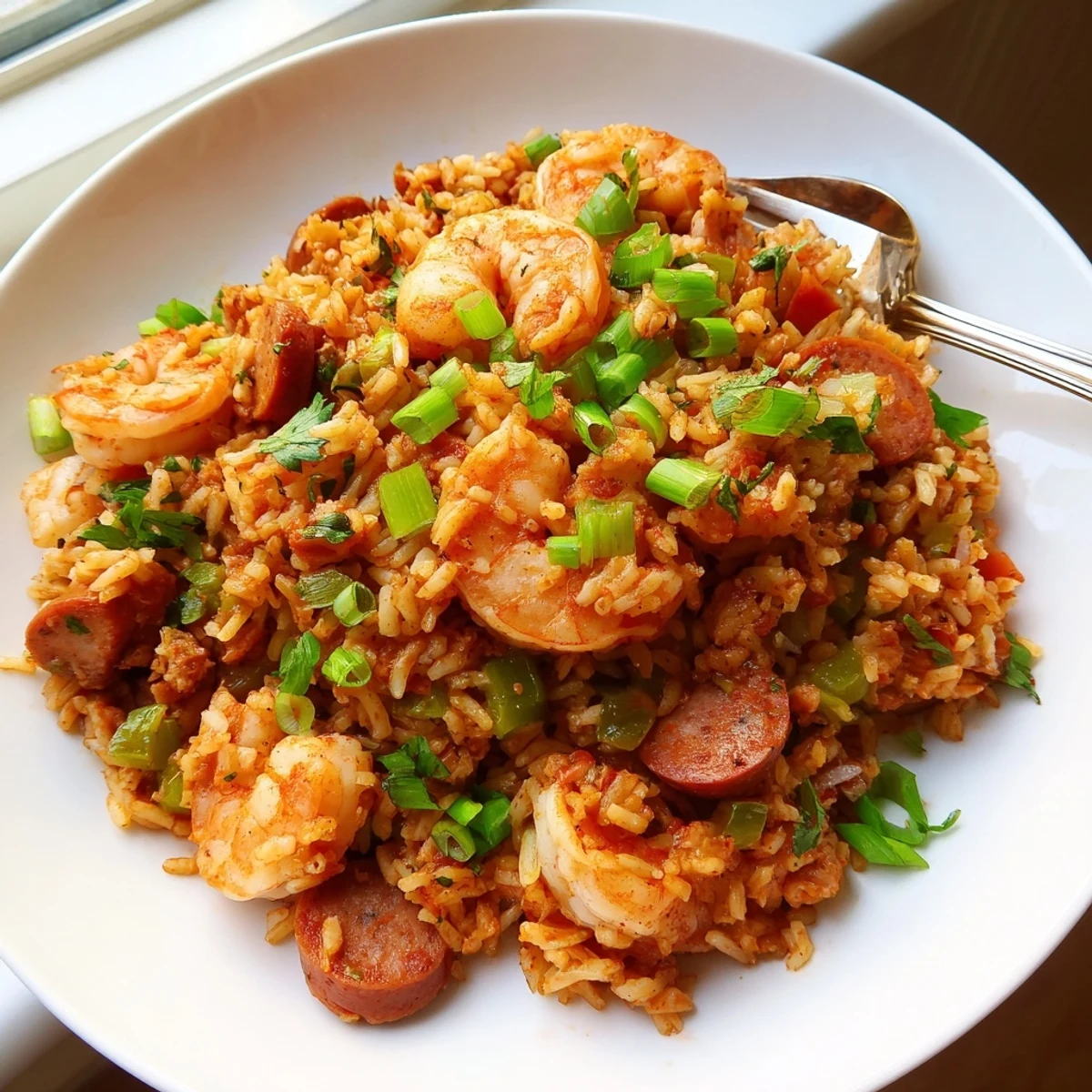
Save This dish has become my go-to for comfort food cravings, especially on rainy Sundays when I want something that feels like a warm hug. There's something deeply satisfying about watching the rice transform from plain white grains into this fragrant, colorful masterpiece.
Getting the Rice Right
I learned the hard way that not all rice cooks the same way, so I always check the package directions and adjust the liquid accordingly. Sometimes I need to add a splash more broth if the rice looks too dry during the final few minutes of cooking.
Making It Your Own
Some nights I'll add diced chicken or swap in different vegetables depending on what's in the crisper drawer. The beauty of dirty rice is how forgiving it is, as long as you keep that Creole spice foundation intact.
Serving Suggestions
This rice is substantial enough to stand alone as a main dish, but it also pairs beautifully with cornbread or a simple green salad to balance the richness. A crisp white wine like Sauvignon Blanc cuts through the spices perfectly.
- Let the rice rest for 5 minutes after cooking to help the flavors settle
- Leftovers reheat beautifully and sometimes taste even better the next day
- Store any extras in an airtight container for up to three days
 Save
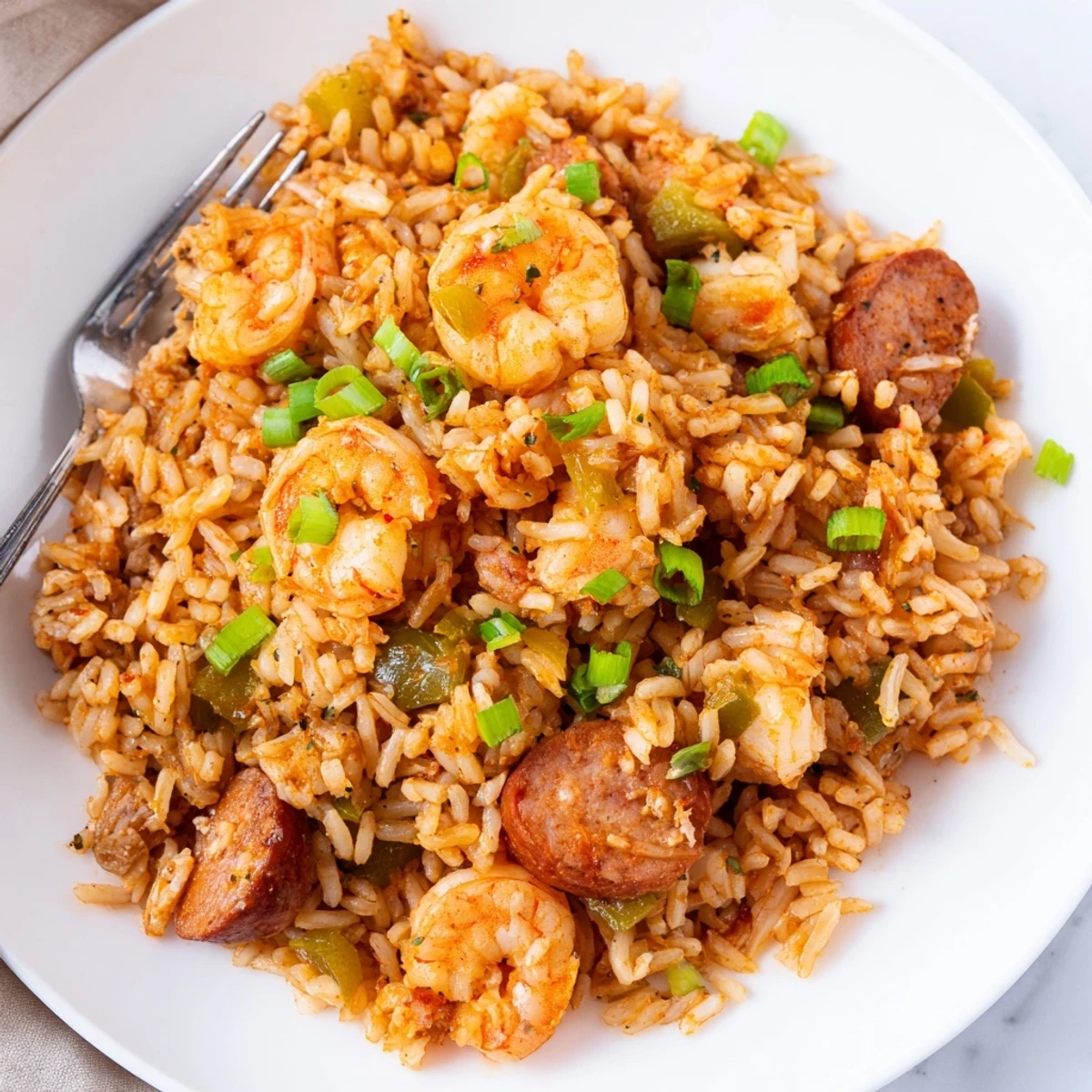
Save Every time I make this, I'm reminded of why Southern food has such a powerful way of bringing people together around the table. Hope this recipe finds its way into your regular rotation too.
Recipe FAQs
- → What makes dirty rice different from regular rice?
-
Dirty rice gets its name from its appearance—the white rice takes on a "dirty" brown color from being cooked with meat, vegetables, and seasonings. Traditional versions use chicken livers and gizzards, while this version features shrimp and sausage for a seafood twist.
- → Can I use different sausage?
-
Absolutely. Andouille is traditional for its smoky, spicy flavor, but you can substitute kielbasa, chorizo, or even spicy Italian sausage. Just adjust your seasoning accordingly since some sausages are saltier or more seasoned than others.
- → Do I need to cook the rice first?
-
No, raw long-grain white rice works best here. The rice cooks directly in the pan with the broth and seasonings, absorbing all those flavorful liquids. Just be sure to toast it briefly with the spices before adding the liquid for better texture.
- → How do I know when the shrimp are done?
-
Shrimp cook very quickly—only 5-7 minutes in this dish. They're done when they turn pink and opaque, curling slightly. Avoid overcooking or they'll become tough and rubbery. The residual heat from the rice finishes them perfectly.
- → Can this be made ahead?
-
You can prepare all ingredients in advance and store them separately. The cooked dish also reheats beautifully—the flavors often deepen overnight. Store in the refrigerator for up to 3 days and reheat gently with a splash of water or broth.