
 Save
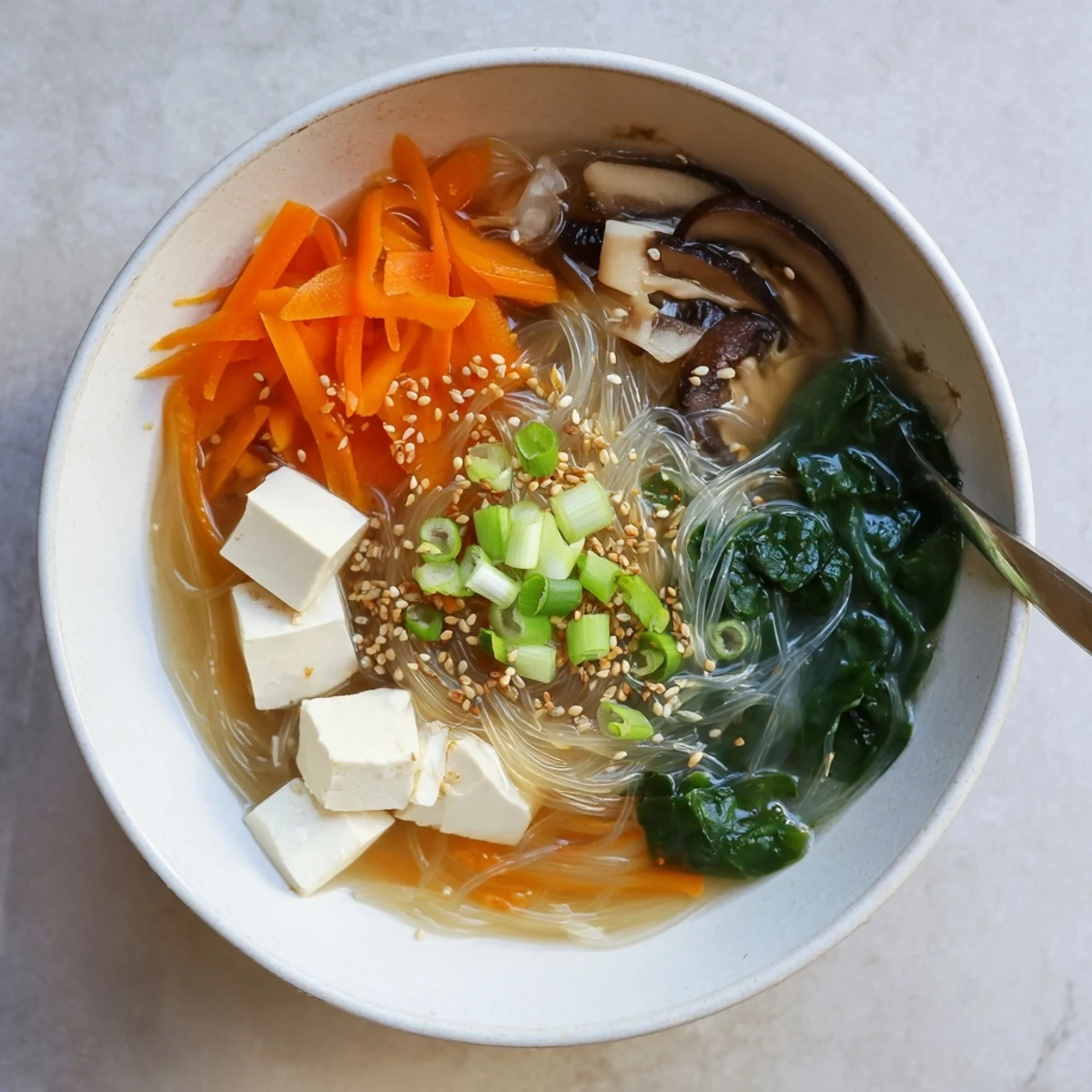
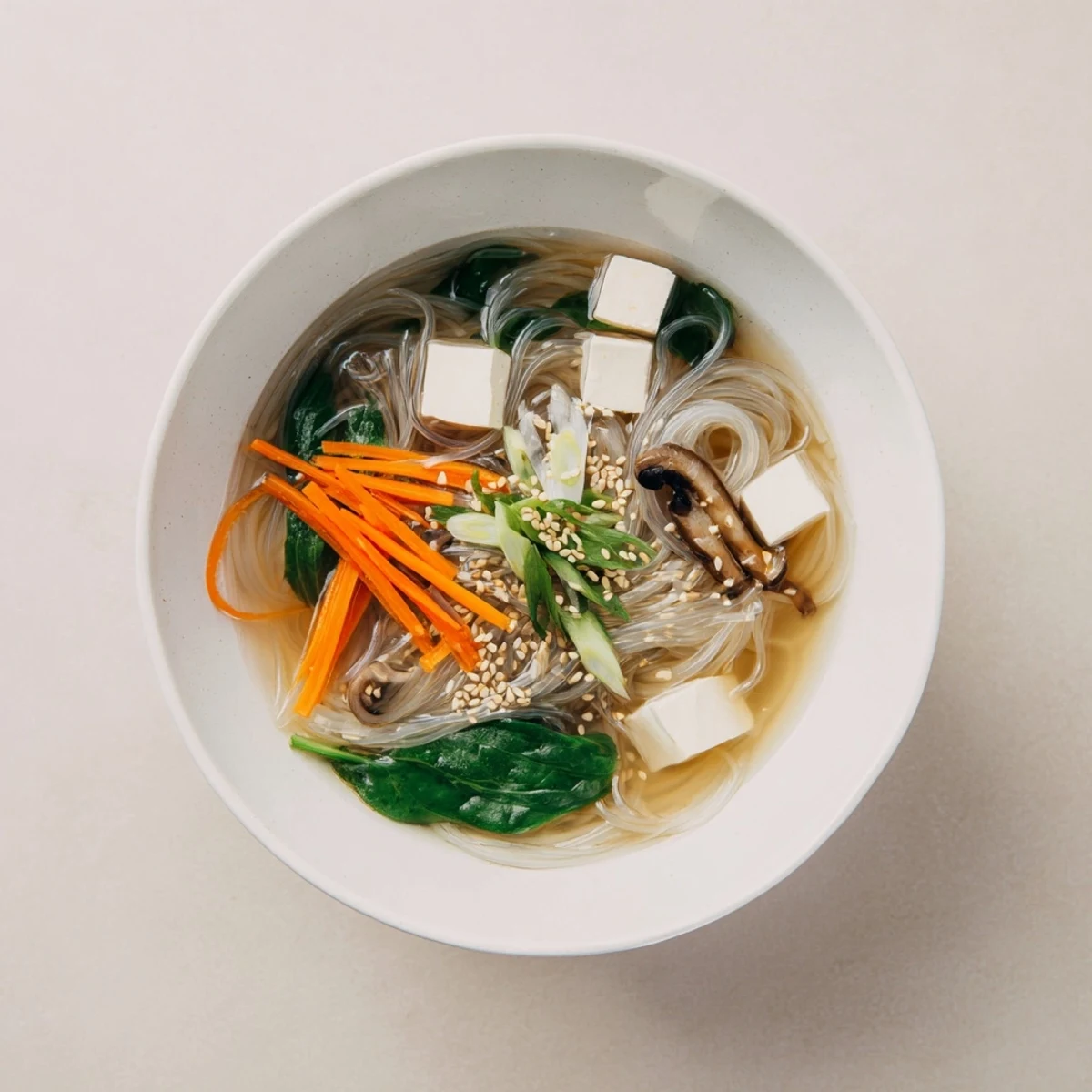
Save This nourishing Japanese bowl combines translucent glass noodles with a fragrant dashi-based broth, crisp vegetables, and silken tofu. The dish comes together in just 25 minutes, making it perfect for busy weeknights when you crave something warming yet light.
The harusame noodles absorb the savory umami flavors while maintaining their signature springy texture. Julienned carrots and earthy shiitake mushrooms add depth, while baby spinach provides vibrant color and freshness. A final garnish of toasted sesame seeds brings nutty notes that complement the sesame oil in the broth.
Last winter I stumbled into a tiny ramen shop in Tokyo during a sudden downpour, shaking off my umbrella and ordered the first thing I could pronounce. The chef placed before me a bowl of crystal-clear broth with translucent noodles that caught the light like spun glass. That first slurp revealed something magical and unexpected—the noodles had this delightful bounce, and the broth was savory without being heavy. I've been chasing that memory ever since, recreating it in my own kitchen on rainy evenings.
My college roommate Yuki taught me that the secret to great Japanese soup is patience with the broth—she'd stand over her pot, adjusting the seasoning drop by drop, tasting until her eyes lit up. Now I understand what she meant. This soup has become my go-to when someone needs comfort but nothing too heavy on their stomach.
Ingredients
- Dashi stock: The foundation of Japanese cooking, but quality vegetable or chicken broth works beautifully in a pinch
- Soy sauce: Use a good-quality brand for deeper umami flavor—cheap soy sauce can make the broth taste flat
- Mirin: This sweet rice wine balances the saltiness and adds a subtle gloss to the broth
- Sesame oil: Toasted sesame oil gives a nutty aroma that lingers beautifully
- Harusame noodles: These glass noodles made from mung bean starch are what make this soup so special—dont substitute with rice noodles
- Shiitake mushrooms: Fresh shiitakes add an earthy depth, though button mushrooms work if thats what you have
- Spinach or bok choy: Baby spinach wilts instantly into the hot broth while bok choy adds a pleasant crunch
- Firm tofu: Cubed tofu absorbs the savory broth like little flavor sponges
Instructions
- Build your flavorful base:
- Combine the dashi stock with soy sauce, mirin, sesame oil, and salt in a large saucepan. Let it come to a gentle simmer over medium heat, watching for the first bubbles to break the surface.
- Soften the hard vegetables:
- Add the julienned carrots and sliced shiitake mushrooms to the simmering broth. Let them cook for about 5 minutes until the carrots become tender but still retain some crunch.
- Add the protein if using:
- Gently slide in the cubed tofu and let it warm through for another 2 minutes. Be careful not to stir too vigorously or the tofu might break apart.
- Prepare the glass noodles:
- While the broth simmers, place the harusame noodles in a heatproof bowl and cover them with boiling water. Let them soak for 4 to 5 minutes until tender, then drain well and divide among serving bowls.
- Add the greens and finish:
- Drop the spinach or bok choy into the hot broth and cook for just 1 minute until wilted but still bright. Ladle the steaming broth and vegetables over the noodles, then finish with sesame seeds and fresh spring onion.
 Save
Save My daughter claimed she hated soup until she tried this one. Now she requests it whenever she's feeling under the weather, and watching her face light up with that first steaming spoonful has become one of my favorite moments.
Making It Your Own
Once you master the basic broth, this soup becomes a canvas for whatever you have on hand. I've made it with shredded chicken, leftover roast vegetables, even frozen edamame when the pantry was bare.
The Perfect Seasoning Balance
Japanese cooking relies heavily on balance between salt, sweet, and savory. Start with less soy sauce than you think you need—you can always add more, but you can't take it back.
Serving Suggestions
This soup makes a complete light meal on its own, but I love serving it alongside pickled vegetables or a simple green salad dressed with miso vinaigrette. On colder days, pair it with warm onigiri stuffed with salmon or umeboshi.
- Set out small bowls of shichimi togarashi so everyone can adjust the heat level
- A drizzle of chili oil just before serving adds warmth and color
- Keep some extra green onions on hand for that fresh finish
 Save
Save There's something profoundly healing about a bowl of clear broth and delicate noodles. I hope this recipe brings you the same comfort it's brought my family on countless quiet evenings.
Recipe FAQs
- → What are harusame noodles?
-
Harusame are Japanese glass noodles made from mung bean starch, also known as cellophane noodles or vermicelli. They're naturally gluten-free, translucent when cooked, and have a delicate springy texture that absorbs flavors beautifully.
- → Can I make this vegetarian?
-
Absolutely. Traditional dashi stock contains bonito flakes, but you can easily substitute with high-quality vegetable broth or kombu dashi for a completely plant-based version. The remaining ingredients are naturally vegetarian.
- → How do I prevent the noodles from becoming mushy?
-
Soak the noodles separately in boiling water rather than cooking them directly in the broth. Drain them once tender—typically 4-5 minutes—and divide among bowls before ladling the hot soup over. This keeps them perfectly springy.
- → What vegetables work well in this soup?
-
Beyond the classic carrot, shiitake, and spinach combination, consider adding snow peas, bok choy, enoki mushrooms, or thinly sliced cabbage. The key is choosing vegetables that cook quickly and maintain some texture in the hot broth.
- → Can I prepare this ahead of time?
-
You can prepare the broth and vegetables in advance, but cook the noodles just before serving for best texture. Store components separately and reheat the broth before assembling bowls. The dish tastes even better the next day as flavors meld.
- → What gives this soup its authentic flavor?
-
The combination of dashi stock, soy sauce, mirin, and sesame oil creates the quintessential Japanese flavor profile. Mirin adds subtle sweetness that balances the salty soy sauce, while toasted sesame seeds provide aromatic depth in the finish.