
 Save
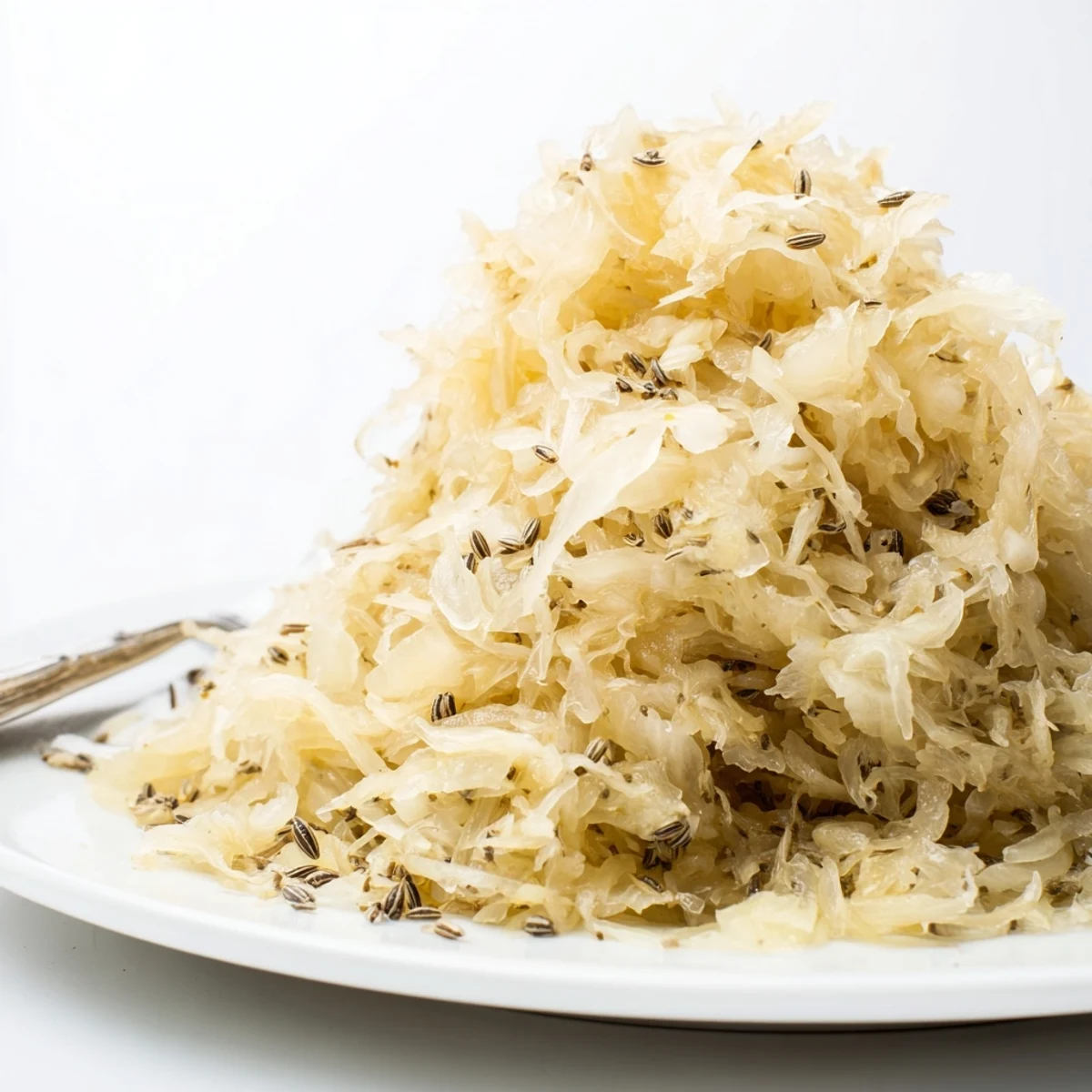
Save Create authentic German sauerkraut at home using just white cabbage and sea salt. This traditional fermentation method transforms simple vegetables into a tangy, probiotic-rich condiment that pairs perfectly with sausages, pork, and roasted potatoes. The process takes 7–21 days for full flavor development, with active prep time of only 30 minutes. Your homemade version will have superior flavor and beneficial bacteria compared to store-bought alternatives.
The sound of cabbage hitting the cutting board on a cold November afternoon still takes me straight back to my grandmothers kitchen in Bavaria. She never measured anything, just grabbed a head of cabbage and a fistful of salt, and somehow it always turned out perfectly tangy. Years later, when I tried recreating her sauerkraut in my tiny apartment, I learned that the magic isnt in precision but in patience and trusting the process.
My first solo batch bubbled over on day three and I panicked, convinced I had poisoned everyone. A phone call to my mother set me straight: bubbling means the bacteria are working, and a little overflow is completely normal.
Ingredients
- 2 kg white cabbage: Choose dense, heavy heads with crisp outer leaves as they yield the most juice during massaging.
- 30 g fine sea salt: Fine salt dissolves faster and distributes more evenly than coarse varieties, which is critical for proper fermentation.
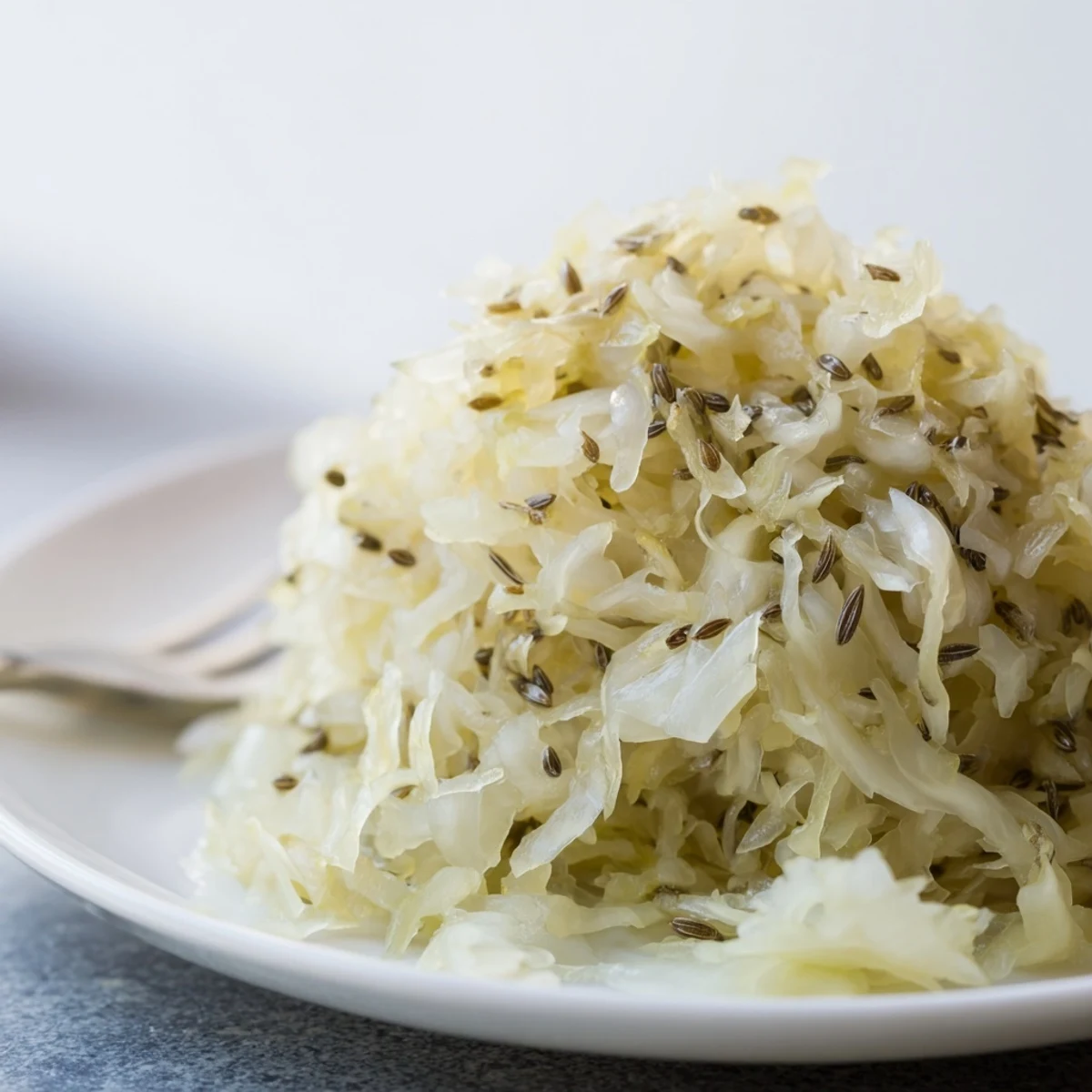
- 1 tablespoon caraway seeds (optional): These add a warm, earthy note that pairs beautifully with the tanginess of fermented cabbage.
- 1 grated carrot or thinly sliced apple (optional): A touch of sweetness that balances the sourness and adds lovely color to the finished kraut.
Instructions
- Prep the cabbage:
- Peel away any wilted or damaged outer leaves, quarter the head, carve out the tough core, and slice the quarters as thinly as your patience allows. The thinner the shreds, the more evenly they will ferment.
- Salt and massage:
- Toss the shredded cabbage with salt in a large bowl, then work it with your hands for five to ten minutes until it softens and a pool of brine collects at the bottom. This step is oddly satisfying once you feel the cabbage transforming under your fingers.
- Add optional flavors:
- Stir in caraway seeds, grated carrot, or sliced apple if you are using them, making sure everything is evenly distributed throughout the mixture.
- Pack the jar:
- Press the cabbage tightly into your sterilized crock or jar, handful by handful, pressing firmly so the brine rises above the cabbage level. Every piece must sit below the liquid surface to ferment safely.
- Weight and cover:
- Place a fermentation weight or a water filled jar on top to hold everything down, then cover with a cloth or fermentation lid that lets gases escape while keeping dust out.
- Wait and taste:
- Store the jar at room temperature away from sunlight for seven to twenty one days, opening it after a week to taste and decide if the tanginess is where you want it. When it pleases your palate, move it to the fridge to slow fermentation to a crawl.
 Save
Save Jar number three was the one I carried to a friends Oktoberfest dinner, still warm from travel, and watched it disappear faster than the sausages. That moment turned a humble cabbage project into something I now gift to anyone who shows even a passing interest.
What to Serve It With
Sauerkraut shines brightest next to roasted pork shoulder, bratwurst, or a pile of crispy smashed potatoes. A cold glass of dry Riesling alongside turns a simple weeknight dinner into something that feels like a celebration.
Getting the Texture Right
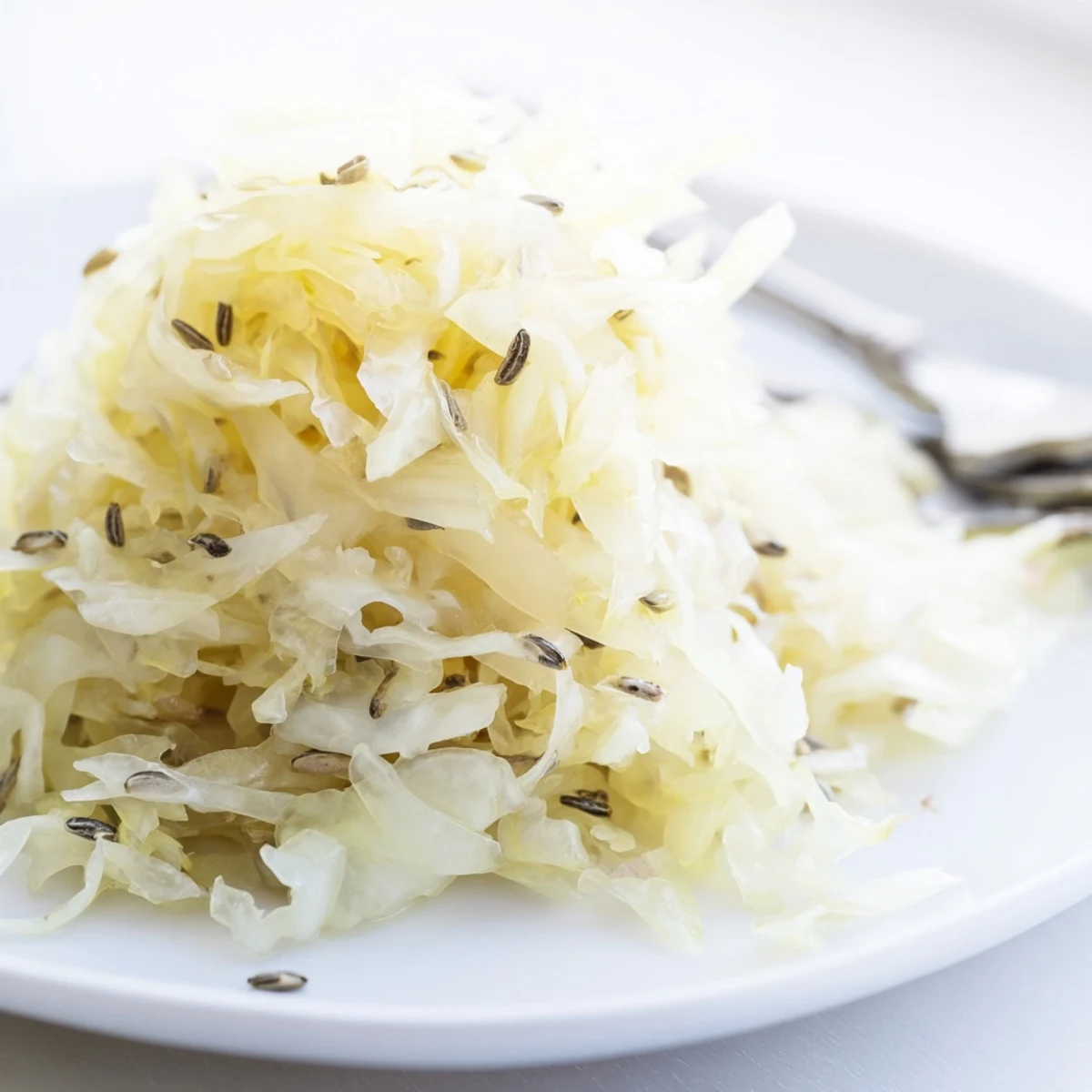
How thin you slice the cabbage completely changes the final result: paper thin shreds produce a soft, almost melting kraut, while thicker cuts retain more crunch. I prefer something in between, using a mandoline for consistency, because variety in every bite keeps things interesting.
Troubleshooting Common Problems
Most fermentation surprises are harmless, but a few signs tell you to start over. Trust your senses and use this quick reference before you worry.
- If the brine turns pink or smells truly rotten rather than sour, discard the batch immediately.
- A white filmy layer on top is usually kahm yeast and is harmless, just scrape it off and carry on.
- Always use clean utensils when sampling to avoid introducing unwanted bacteria into the jar.
 Save
Save Every jar of homemade sauerkraut sitting in my fridge feels like a small conversation with every cook who came before me. All you need is cabbage, salt, and the willingness to let time do its quiet work.
Recipe FAQs
- → How long does homemade sauerkraut need to ferment?
-
Fermentation typically takes 7–21 days depending on your preferred level of tanginess. Begin tasting after the first week—the longer it ferments, the more pronounced the sour flavor becomes. Room temperature around 65–72°F is ideal for proper fermentation.
- → What is the ratio of salt to cabbage for sauerkraut?
-
The traditional ratio is approximately 2% salt by weight. For 2 kg of cabbage, use about 30 g of fine sea salt. This amount creates the proper environment for beneficial bacteria while inhibiting harmful microorganisms.
- → Do I need special equipment for making sauerkraut?
-
While specialized fermentation crocks and weights are helpful, you can use a large glass jar with a weight made from a smaller jar filled with water. The key is keeping the cabbage completely submerged in its liquid to prevent spoilage.
- → Why is my sauerkraut not releasing enough liquid?
-
If the cabbage isn't releasing enough juice during massaging, it may need more vigorous kneading or longer time—up to 10 minutes. You can also add a small amount of brine made from 1 teaspoon salt dissolved in 1 cup of water to ensure the cabbage stays submerged.
- → Can I add other flavors to traditional sauerkraut?
-
Classic sauerkraut contains only cabbage and salt, but variations are common. Caraway seeds, juniper berries, bay leaves, grated carrots, or sliced apples can be added for additional flavor layers. These should be incorporated during the mixing stage before fermentation begins.
- → How do I know if my sauerkraut has gone bad?
-
Signs of spoilage include mold growing on the surface (other than the normal kahm yeast), off-putting odors beyond the expected tangy fermentation smell, slimy texture, or extremely unpleasant taste. Properly fermented sauerkraut will have a pleasant sour aroma and crisp texture.